
Community identification
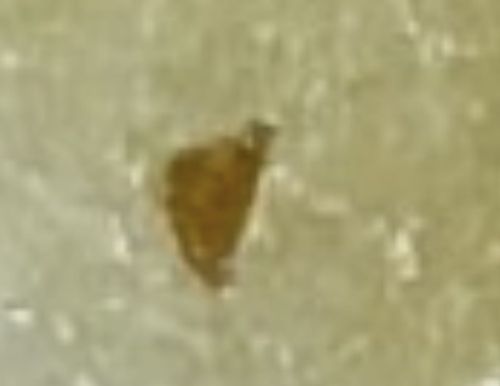
Bed Bug
Cimex lectularius
- Order & Family
- Hemiptera: Cimicidae
- Size
- Adults are approximately 4-5 mm long and 1.5-3 mm wide; nymphs range from 1 mm to 4 mm depending on the instar stage.
Natural Habitat
Typically found in human dwellings, particularly in cracks and crevices around beds, mattresses, box springs, headboards, and furniture close to where people sleep.
Diet & Feeding
Hematophagous (blood-feeding); they feed exclusively on the blood of warm-blooded animals, primarily humans, usually at night.
Behavior Patterns
Nocturnal and elusive, they hide during the day in tight spaces. They track hosts via carbon dioxide and body heat. They go through incomplete metamorphosis (egg, nymph stages, adult).
Risks & Benefits
Risks: Their bites cause itchy, red welts and can lead to secondary skin infections, allergic reactions, anxiety, and insomnia. They are difficult and expensive to eradicate. Benefit: None known for humans or the domestic ecosystem.