
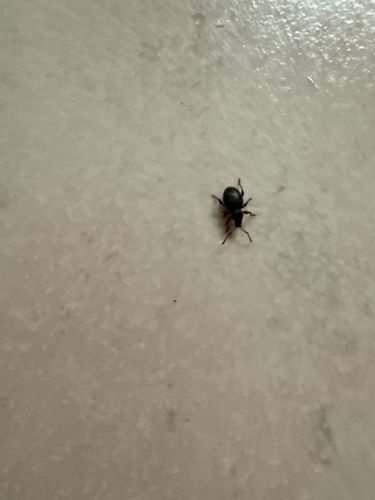
Weevil (General)
Various species (e.g., Sitophilus oryzae, Curculio nucum)
- Order & Family
- Order: Coleoptera, Family: Curculionidae
- Size
- Typically 1 mm to 60 mm, with most common species ranging from 2 mm to 10 mm.
Natural Habitat
Weevils are found in a wide range of habitats depending on the species, including agricultural fields, gardens, forests, grasslands, and even indoors where stored food products are present. They are often associated with the specific plants they feed on.
Diet & Feeding
The diet of weevils varies significantly by species. Many are herbivorous, feeding on plant parts such as seeds, fruits, stems, roots, or leaves. Specific species can be pests of stored grains, flour, nuts, legumes, or various agricultural crops.
Behavior Patterns
Many species of weevils are slow-moving and may feign death when disturbed. They are typically active during warmer months and seek shelter in cooler areas or indoors when temperatures drop. Their life cycle involves complete metamorphosis (egg, larva, pupa, adult).
Risks & Benefits
Risks primarily involve damage to crops and stored food products, leading to significant economic losses for agriculture and food industries. They can infest pantries and contaminate food items. Benefits are less direct but some species play a role in natural ecosystems, for instance, by contributing to seed dispersal or serving as food for other organisms. Some are used in biological control of invasive plant species.