
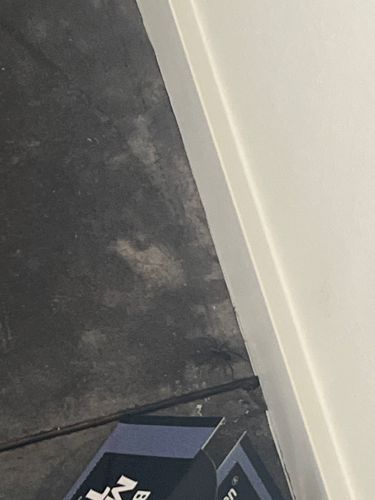
Wolf Spider
Lycosidae (Family)
- Order & Family
- Araneae (Order), Lycosidae (Family)
- Size
- Typically 0.4 to 1.4 inches (10-35 mm) body length, with leg spans up to 3 inches (7.6 cm). Females are generally larger than males.
Natural Habitat
Widely distributed; found in grasslands, forests, deserts, and suburban areas. Often found on the ground, under rocks, leaf litter, or in burrows.
Diet & Feeding
Predatory; they mainly hunt insects and other small invertebrates. They do not build webs to catch prey, but actively stalk and pounce on them.
Behavior Patterns
Solitary, nocturnal hunters. Known for their excellent eyesight and speed. Females often carry their egg sac attached to their spinnerets and, after hatching, the young spiderlings ride on their mother's back for a period.
Risks & Benefits
Generally considered beneficial as they prey on various pest insects. While they can bite if provoked, their venom is not considered medically significant to humans, usually causing only mild, localized pain or swelling. They are not aggressive towards humans.