
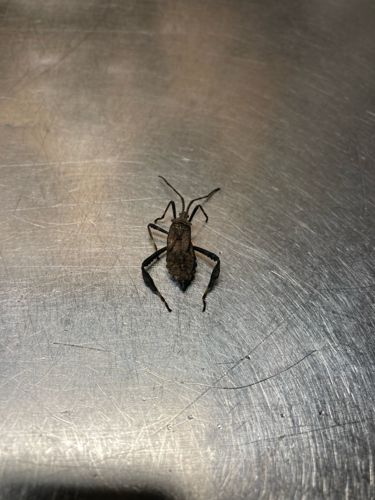
Leaf-footed Bug
Various species within the family Coreidae, common genera include Leptoglossus, Acanthocephala, and Anasa.
- Order & Family
- Order: Hemiptera, Family: Coreidae
- Size
- Most species range from 15 to 25 mm (0.6 to 1 inch) in length.
Natural Habitat
They are commonly found in gardens, agricultural fields, orchards, and other areas where their host plants are abundant. They prefer warm climates and are often seen on the foliage or fruits of plants.
Diet & Feeding
Leaf-footed bugs are herbivorous, feeding on plant sap, particularly from fruits, seeds, and stems. Some common host plants include fruits (like citrus, tomatoes, pomegranates), nuts (like pecans), corn, and various ornamental plants. They insert their needle-like mouthparts into the plant tissue to extract liquids.
Behavior Patterns
Leaf-footed bugs are typically active during the day. Many species are known for producing a foul-smelling liquid when disturbed, as a defense mechanism. They undergo incomplete metamorphosis, meaning they hatch from eggs as nymphs, which then grow through several instars before becoming adults, without a pupal stage. Many species can fly.
Risks & Benefits
Risks: Leaf-footed bugs are considered agricultural pests. Their feeding can damage fruits, nuts, and vegetables, leading to economic losses for farmers. Damage can include distorted growth, premature fruit drop, and hardened or discolored spots on fruits and seeds, making them unmarketable. They do not typically pose a risk to humans or animals through biting or stinging. Benefits: In some ecological contexts, they may play a minor role in seed dispersal or as a food source for predatory insects or birds, but their impact as pests generally outweighs any benefits.