
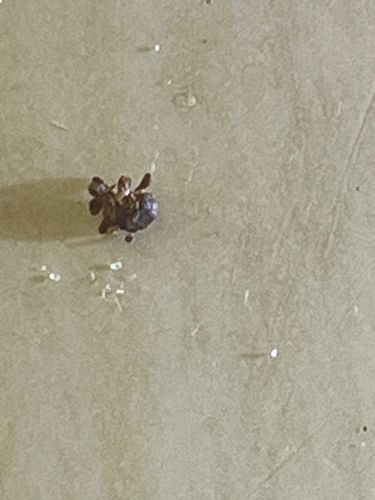
Pill Bug / Roly Poly
Armadillidium vulgare (Common Pill Bug is a prominent species, though other species exist)
- Order & Family
- Order: Isopoda; Family: Armadillidiidae (for pill bugs that can roll into a ball, like Armadillidium vulgare)
- Size
- Typically 0.5 to 1.5 cm (0.2 to 0.6 inches) in length
Natural Habitat
Damp, dark environments with decaying organic matter. This includes under rocks, logs, leaf litter, mulch, potted plants, and sometimes in basements or other moist areas in homes.
Diet & Feeding
Pill bugs are detritivores, meaning they feed on decaying organic matter such as dead leaves, rotting wood, and other plant debris. They may also consume fungi, algae, and sometimes tender living plant parts, especially if other food sources are scarce.
Behavior Patterns
Pill bugs are primarily nocturnal, seeking moisture and avoiding light. They are detritivores, meaning they feed on decaying organic matter. They are known for their ability to curl into a ball when disturbed, a behavior called conglobation, which helps protect them from predators and desiccation. They are typically slow-moving and can be found in groups in moist, dark environments.
Risks & Benefits
Generally beneficial as decomposers, aiding in nutrient cycling by breaking down organic matter. They are not known to bite or sting and are not harmful to humans. In gardens, they can sometimes cause minor damage to seedlings or soft fruits, especially in large numbers and very damp conditions. They can be a nuisance if found indoors in large quantities, indicating a moisture problem.