
Bollworm Identification Guide
Learn to recognize the variably colored, striped bollworm caterpillar found boring into cotton, corn, and tomato.
Read the full Bollworm encyclopedia entry →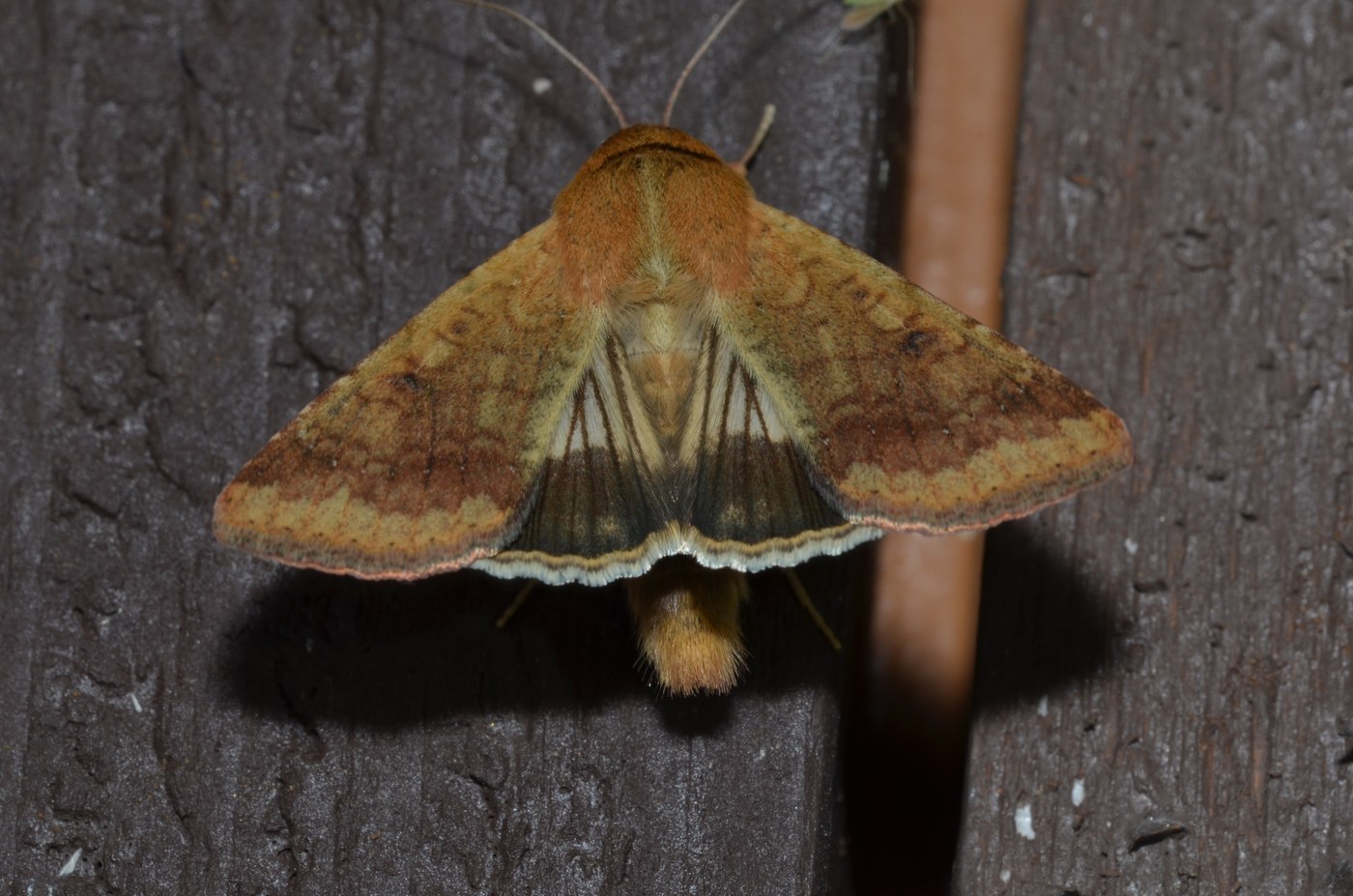
Key Visual Features
The bollworm (also known as the corn earworm or cotton bollworm depending on the host plant) is a highly variable caterpillar, making its overall pattern more useful for identification than any single color.
- Body color: Ranges widely from green to brown, pink, yellow, or nearly black depending on diet and individual variation.
- Stripes: Alternating light and dark longitudinal stripes run the length of the body, a consistent feature despite the variable base color.
- Texture: The skin bears small, fine spines (microspines) giving it a slightly rough or granular feel compared to smooth-bodied caterpillars.
- Head: Orange-brown to yellowish, without strong facial markings.
- Size: Reaches about 1.5 inches (3.5-4 cm) at full growth.
Where and When You'll See It
Bollworms are found across most of North America wherever their many host plants grow, including cotton, corn, tomato, and a range of other crop and garden plants. They are most often discovered by the feeding damage they leave behind — larvae tunnel directly into cotton bolls, corn ears, or tomato fruit, so an entry hole in a fruit or boll is a strong clue to look further. They are active from late spring through fall, with multiple generations possible in warmer regions.
Similar-Looking Caterpillars
- Fall armyworm: Similar body shape and variable coloring, but has a pale, inverted Y-shaped marking on the front of its head capsule, which the bollworm lacks.
- Tobacco budworm: Very close in appearance and host range, often requiring close examination of fine spine and setae patterns to distinguish with confidence; both species can be found on the same host plants.
- Cabbage looper: Also greenish and striped but moves with a distinctive looping gait due to reduced prolegs in the middle of the body, unlike the bollworm's typical caterpillar crawl.
Quick ID Checklist
- Highly variable body color: green, brown, pink, or yellow
- Consistent alternating light and dark longitudinal stripes
- Fine microspines giving a slightly rough texture
- Found boring directly into cotton bolls, corn ears, or tomato fruit
- No head marking (helps separate it from the similar fall armyworm)
Frequently asked questions
Why does the bollworm look so different from one individual to the next?
Its base body color is highly variable — ranging from green to brown, pink, or yellow — even though the alternating light and dark stripe pattern stays fairly consistent.
How can I tell a bollworm from a fall armyworm?
The fall armyworm has a pale inverted Y-shaped mark on its head capsule, which the bollworm does not have.
What plants are most likely to show bollworm damage?
Cotton, corn, and tomato are among the most common hosts, with larvae typically found tunneled directly into the boll, ear, or fruit.
What does the adult bollworm moth look like?
The adult is a tan to olive-brown moth with a dark spot on each forewing, quite different from the striped, variably colored larva.