
Fruit Fly (Vinegar Fly) Identification Guide
Tiny tan-bodied fruit flies with bright red eyes hover persistently around ripening produce and anything fermenting in the kitchen.
Read the full Fruit Fly (Vinegar Fly) encyclopedia entry →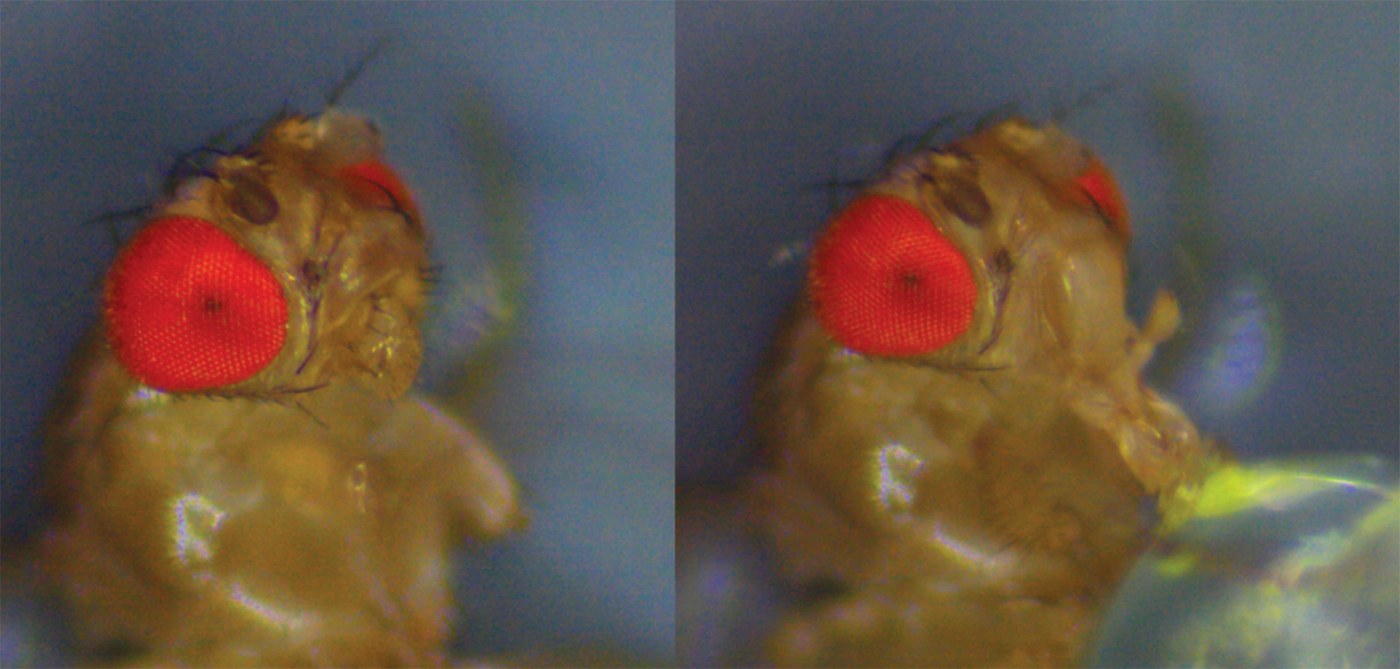
Key Visual Features
Fruit flies, also called vinegar flies (genus Drosophila), are among the smallest common household flies.
- Size: Very small, about 2-4 mm long.
- Body color: Tan to light brown body, often with a darker tip at the end of the abdomen.
- Eyes: Bright red, large, rounded compound eyes that stand out clearly against the pale body — one of the most recognizable features.
- Wings: Clear, held flat over the back at rest, extending slightly past the tip of the abdomen.
- Body shape: Small, oval body with a rounded head and short legs.
- Flight: Quick, erratic, hovering flight, often seen circling repeatedly around a single food source.
Where and When You'll See It
- Commonly found indoors around ripening or overripe fruit, vegetables, and anywhere fermenting liquids are present.
- Attracted to sugary residues on countertops, empty beverage containers, and drains with organic buildup.
- Active year-round indoors, with populations often spiking in late summer and fall when fruit is abundant.
- Tends to hover persistently near its food source rather than dispersing widely around a room.
Similar-Looking Bugs
- Drain fly: Fuzzy, moth-like body with broad tent-shaped wings, quite different from the smooth, red-eyed fruit fly.
- Fungus gnat: Slimmer, darker body with longer legs and clear (not red) eyes, usually near potting soil rather than food.
- Black fly: Larger and stockier with a humpbacked thorax, lacking the bright red eyes of a fruit fly.
Behavior Notes
Fruit flies have an extremely rapid life cycle, which is why a small number of adults can seem to multiply into a noticeable population within just a week or two around a consistent food source. They are strong, agile fliers over very short distances, favoring quick zig-zag movements around a single container or countertop rather than exploring an entire room, and they will readily land and walk over exposed food or spills.
Quick ID Checklist
- Very small size, around 2-4 mm
- Bright red, prominent eyes
- Tan body with a darker abdomen tip
- Clear wings extending past the abdomen
- Hovers persistently near ripening fruit or fermenting liquids
Frequently asked questions
What is the fastest way to identify a fruit fly?
Look for its bright red eyes paired with a small tan body — this combination is one of the most distinctive features among tiny household flies.
Why are they also called vinegar flies?
They are strongly drawn to the smell of fermenting or souring liquids, such as vinegar, overripe fruit, and sugary residues, which gives them this alternate common name.
How do fruit flies differ from fungus gnats?
Fruit flies have red eyes and a stockier tan body, while fungus gnats have darker bodies, longer legs, and are usually found near moist soil rather than food.
Why do fruit flies seem to circle the same spot repeatedly?
They tend to stay close to a food or fermentation source, flying in quick, erratic loops around it rather than dispersing across a room.