Two-Spotted Stink Bug Identification Guide
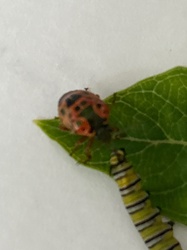
Identify this bold black-and-orange predatory stink bug by its two rounded dark spots and its habit of prowling potato-family foliage.
Read the full Two-Spotted Stink Bug encyclopedia entry →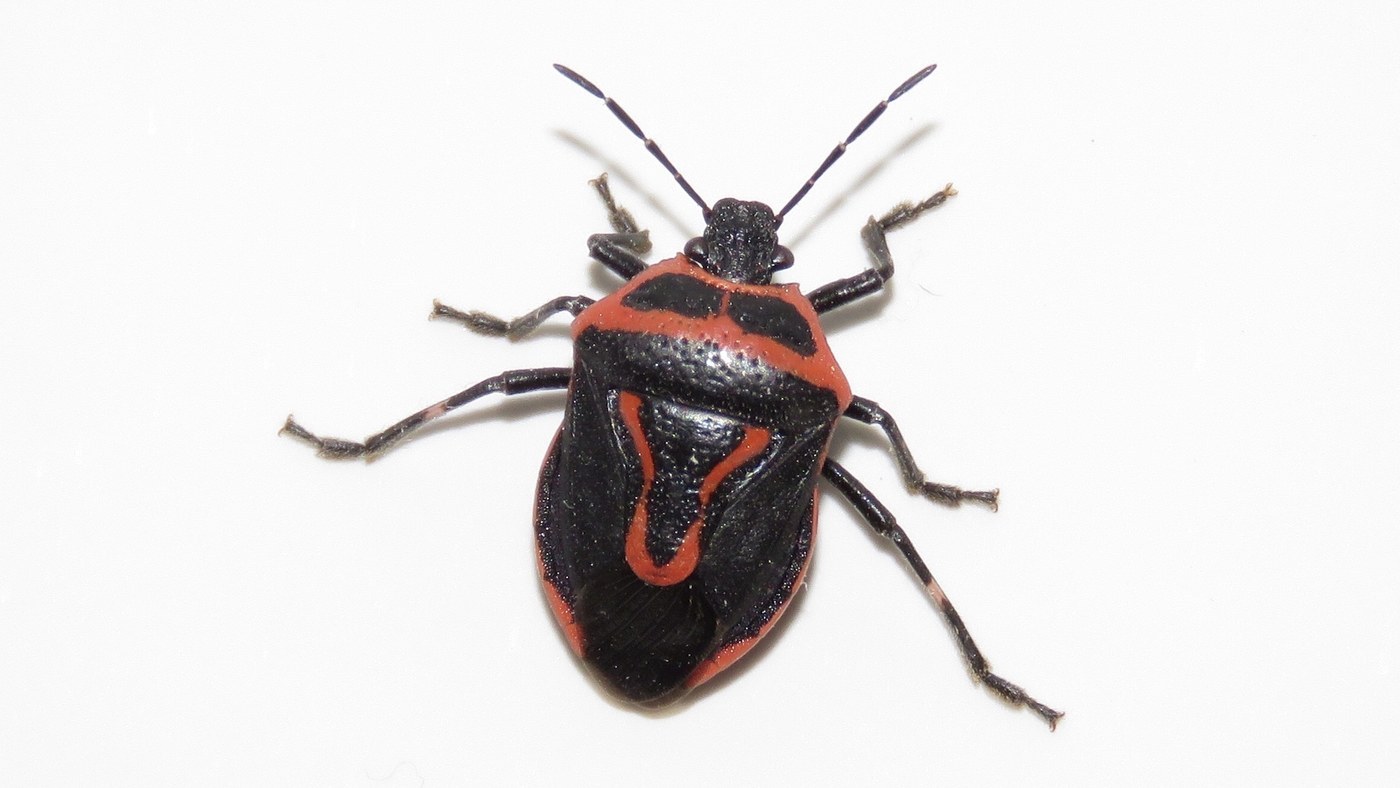
Key Features
- Shield-shaped body typical of stink bugs, about 8-12mm long
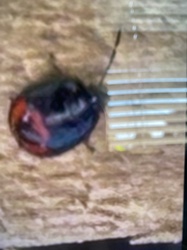
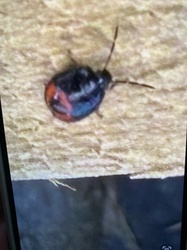
- Bold black and orange-to-red pattern, though the exact amount of color varies between individuals
- Two rounded black spots are often visible on the back, giving rise to the common name, set against an orange-red background
- Pronotum (shoulder region) is angular with pointed "shoulder" projections
- Piercing-sucking mouthpart forms a beak tucked under the head
- Triangular scutellum (the plate between the wing bases) is typically marked with a contrasting color
Where and When to Look
- Frequently found on potato, nightshade, and other solanaceous plants, where it hunts for prey among the foliage
- Active from late spring through summer in gardens, farm fields, and areas with potato or related crops
- Both nymphs and adults can be seen on leaves, often near colonies of leaf beetles they are hunting
- More often spotted moving actively across foliage than sitting still, since it is an active predator rather than a plant feeder
Similar-Looking Bugs
- Spined soldier bugs share the predatory stink bug lifestyle and a shield shape, but have more pointed pronotal spines and a duller brown-mottled pattern rather than bold black-and-orange spots
- Harlequin bugs have a similarly bold black-and-orange/red pattern but the markings form intricate geometric shapes rather than two simple rounded spots, and harlequin bugs feed on plants rather than hunting prey
- Common green or brown stink bugs lack the vivid contrasting color pattern and are typically solid green or brown
Quick ID Checklist
- Shield-shaped body with bold black and orange-red coloring
- Two prominent rounded black spots on the back
- Pointed, angular pronotum "shoulders"
- Found on potato or nightshade-family plants
- Active, prowling movement across foliage rather than staying still
Frequently asked questions
What makes the two-spotted stink bug easy to identify?
Its bold black-and-orange pattern with two distinct rounded black spots on the back is fairly distinctive among stink bugs.
Where should I look to find this species?
Check potato plants and other nightshade-family foliage, since it is commonly associated with these plants while hunting.
How is it different from a spined soldier bug?
The two-spotted stink bug has a bolder black-and-orange color pattern with two round spots, while the spined soldier bug is more mottled brown with sharply pointed shoulder spines.
Is the two-spotted stink bug a plant feeder like most stink bugs?
No, it is a predatory species that hunts other insects rather than feeding directly on plant tissue.
Two-Spotted Stink Bug identified by the community
Recent Two-Spotted Stink Bug finds identified with Bug Identifier.