
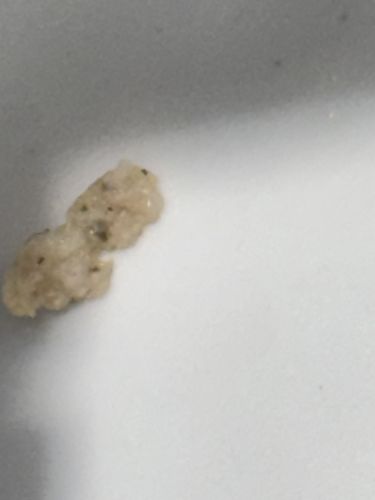
Community identification
Household Casebearer moth larva
Phereoeca uterella
- Order & Family
- Lepidoptera: Tineidae
- Size
- 8 to 13 mm (for the silk case)
Natural Habitat
Commonly found inside homes in humid climates, often on walls or in corners
Diet & Feeding
The larva feeds on spider webs and natural fibers like wool and hair
Behavior Patterns
The larva builds a protective silk case covered in sand, dust, and debris. It can pull its head and legs into either end of the case to hide or move.
Risks & Benefits
They are considered minor household pests because they can damage silk or wool fabrics, but they do not pose any health risks to humans.