
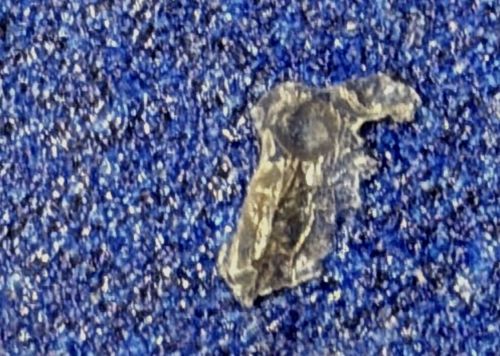
Bed Bug (identifying based on shed exoskeleton/casing)
Cimex lectularius
- Order & Family
- Order: Hemiptera, Family: Cimicidae
- Size
- Adults are typically 4–5 mm long and oval-shaped; the item in the image appears to be a shed skin (exuvia), which can range from 1 mm to 4 mm depending on the nymphal stage.
Natural Habitat
Indoor environments, particularly human dwellings. They tend to hide in cracks and crevices near sleeping areas, including mattress seams, box springs, headboards, and baseboards.
Diet & Feeding
Hematophagous parasites, meaning they feed exclusively on the blood of warm-blooded animals, preferring humans.
Behavior Patterns
They are nocturnal and cryptic, hiding in tight spaces during the day and emerging at night to feed. They undergo five nymphal stages, shedding their skin (molting) at each stage to grow, leaving behind translucent casings like the one pictured.
Risks & Benefits
Risks include itchy bites that can cause allergic skin reactions, secondary infections from scratching, and significant psychological distress or insomnia. They are major household pests but are not currently known to be effective vectors for transmitting diseases to humans.