
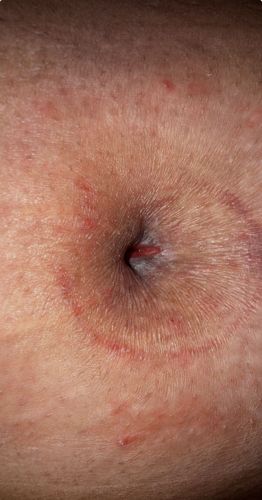
Human Botfly (Larva)
Dermatobia hominis
- Order & Family
- Order: Diptera, Family: Oestridae
- Size
- Larvae grow to approximately 18–24 mm (0.7–1 inch) long; adult flies are 12–18 mm.
Natural Habitat
Native to Central and South America; larvae inhabit the subcutaneous tissue of mammals (including humans, cattle, and dogs).
Diet & Feeding
Larvae are parasitic, feeding on tissue fluids and exudates inside the host's skin. Adults have vestigial mouthparts and do not feed.
Behavior Patterns
Females capture blood-sucking insects (like mosquitoes) and attach eggs to them. When the vector bites a host, body heat triggers the eggs to hatch, and larvae burrow into the skin. They develop inside a painful bump (warble), maintaining a small hole for breathing, before emerging to pupate in the soil.
Risks & Benefits
Risks: Causes furuncular myiasis, characterized by painful, swollen lesions that may discharge fluid; visible movement sensation; risk of secondary bacterial infection if the larva dies or is removed improperly. Benefits: None to humans or domestic animals.