
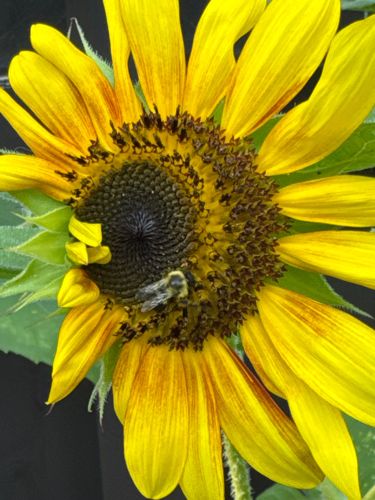
Bumblebee
Bombus (genus)
- Order & Family
- Order: Hymenoptera, Family: Apidae
- Size
- Most species range from 0.5 to 1.5 inches (1.3 to 3.8 cm) in length. Queens are typically larger than workers and males.
Natural Habitat
Bumblebees are found in temperate climates across the Northern Hemisphere. They typically nest underground in abandoned rodent burrows, in thick grass, or under tussocks. They are commonly found in gardens, meadows, forests, and agricultural areas where flowering plants are present.
Diet & Feeding
Adult bumblebees feed on nectar from flowers for energy. Larvae are fed a mixture of nectar and pollen by worker bees. Pollen provides essential proteins and nutrients for their development.
Behavior Patterns
Bumblebees are social insects, living in colonies, though typically smaller than honeybee colonies. They are excellent pollinators, foraging for nectar and pollen on a wide variety of flowering plants. They exhibit 'buzz pollination' or sonication, where they vibrate their flight muscles to release pollen from certain flowers (like tomatoes and blueberries). They are active during cooler temperatures and lower light levels than honeybees, making them important pollinators in temperate regions.
Risks & Benefits
Potential risks include stings, which can be painful and cause allergic reactions in sensitive individuals. However, bumblebees are generally less aggressive than wasps and sting only when provoked or if their nest is disturbed. The benefits are significant: they are vital pollinators for many wild plants and agricultural crops, contributing significantly to biodiversity and food production.