
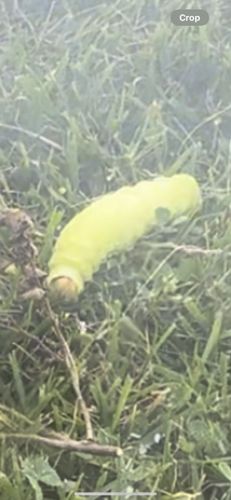
Luna Moth Caterpillar
Actias luna
- Order & Family
- Order: Lepidoptera, Family: Saturniidae (Giant Silkworm Moths and Royal Moths)
- Size
- Caterpillars can grow quite large, reaching up to 3-4 inches (7-10 cm) in length before pupating. Adult moths have a wingspan of 3-4.5 inches (7.5-11.5 cm).
Natural Habitat
Luna moth caterpillars are found in deciduous hardwood forests across eastern North America, from southern Canada to Florida and parts of Texas. They prefer areas with their specific host trees. The adult moths are also found in these forested areas.
Diet & Feeding
The caterpillars are herbivorous, feeding on the leaves of a variety of deciduous trees, including sweetgum, hickory, sumac, white birch, and persimmon. They are voracious eaters to accumulate enough energy for pupation and metamorphosis.
Behavior Patterns
As a caterpillar, it is primarily focused on feeding and growing, undergoing several instars (molts) before pupating. It typically remains on host plants, blending in with its surroundings due to its green coloration. The pupa stage is a period of metamorphosis, often occurring in a cocoon below ground or within leaf litter. Adult moths are nocturnal and are strong fliers. Females lay eggs on host plants, continuing the life cycle.
Risks & Benefits
Risks: Caterpillars can defoliate host trees, but rarely to a degree that causes significant harm to healthy, mature trees due to their relatively low population densities. They are harmless to humans. Benefits: As part of the food chain, both caterpillars and adult moths serve as food for birds, bats, and other insectivores. Adult moths are pollinators, though not primary ones, as they visit flowers for nectar (though they do not feed in their adult stage). Their beauty also holds aesthetic value for nature enthusiasts.