
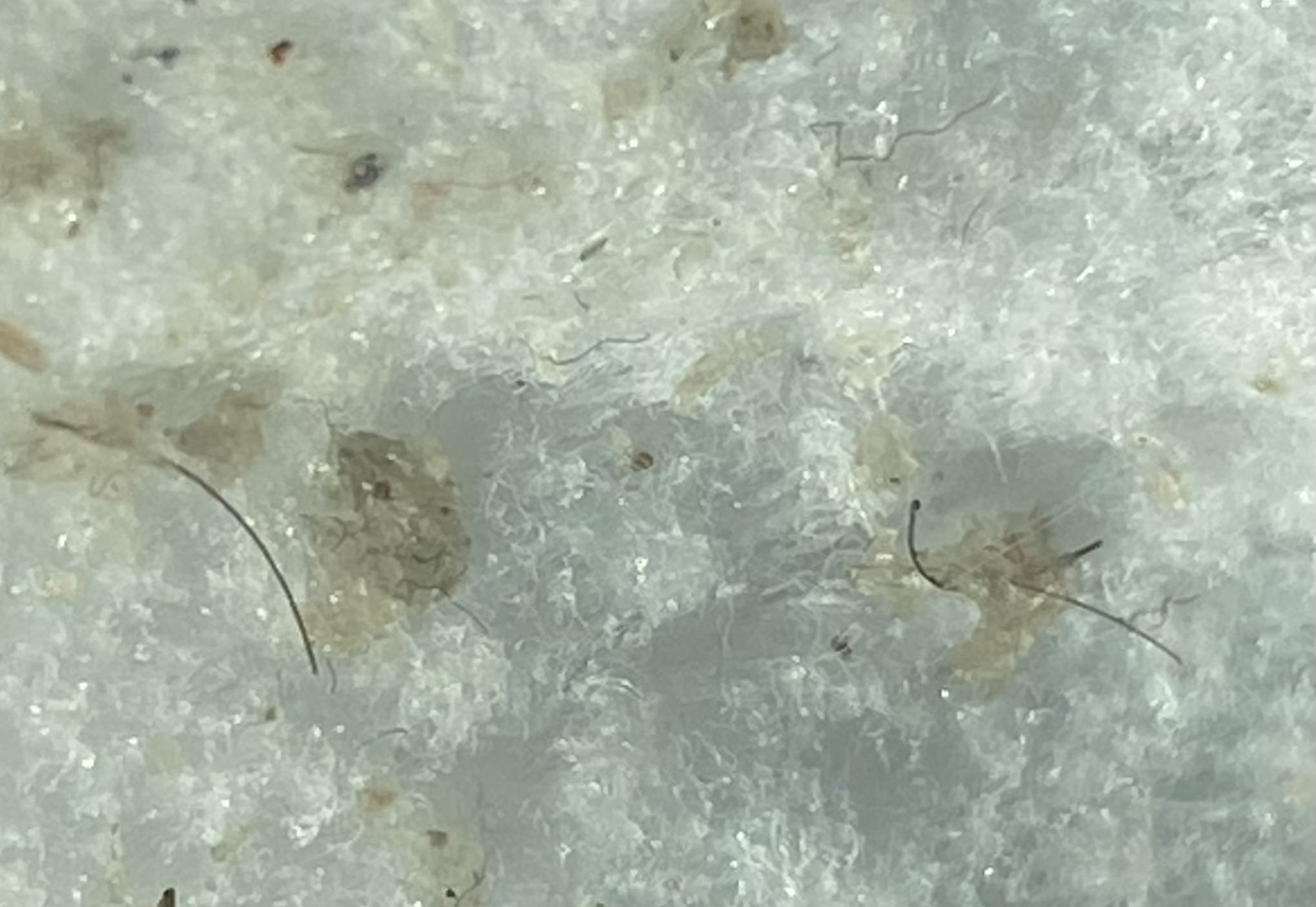
Community identification
House dust mite
Dermatophagoides pteronyssinus
- Order & Family
- Order: Sarcoptiformes, Family: Pyroglyphidae
- Size
- 0.2 to 0.3 millimeters in length
Natural Habitat
Indoor environments, specifically within pillows, mattresses, upholstered furniture, and carpets where skin scales accumulate.
Diet & Feeding
Mainly detritus such as flakes of dead human and animal skin (dander).
Behavior Patterns
They thrive in high humidity and warm temperatures. They are microscopic and typically go unnoticed by the human eye; they undergo a life cycle of egg, larva, protonymph, tritonymph, and adult.
Risks & Benefits
They do not bite or sting but are a major source of allergens. Their waste products and decaying body parts can trigger asthma, eczema, and allergic rhinitis in sensitive individuals.