
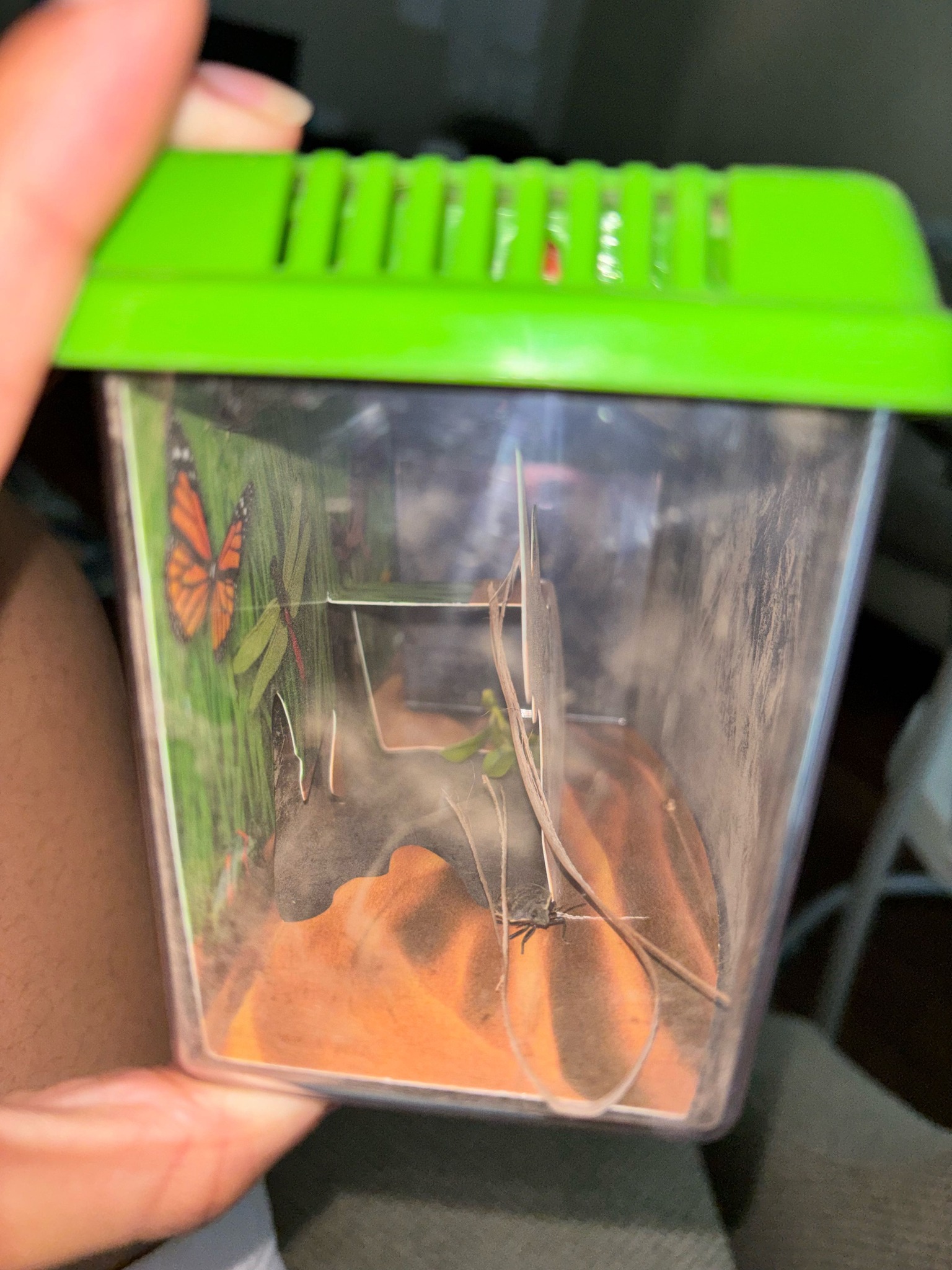
Community identification
Praying Mantis
Mantodea
- Order & Family
- Order: Mantodea; Family: Mantidae
- Size
- Typically ranges from 0.5 to 6 inches (1.2 to 15 cm) depending on the species.
Natural Habitat
Found in tropical and temperate regions worldwide, inhabiting gardens, forests, fields, and shrubbery.
Diet & Feeding
Carnivorous and predatory; primarily eats insects like crickets, moths, flies, and grasshoppers. Larger species may occasionally catch small lizards, frogs, or birds.
Behavior Patterns
Known for their 'praying' stance with front legs held together. They are ambush predators with highly mobile heads and 360-degree vision. Their life cycle consists of egg, nymph, and adult stages.
Risks & Benefits
Highly beneficial to ecosystems and gardens as natural pest control. They pose no significant risk to humans, as they are non-toxic and rarely bite unless handled roughly.