
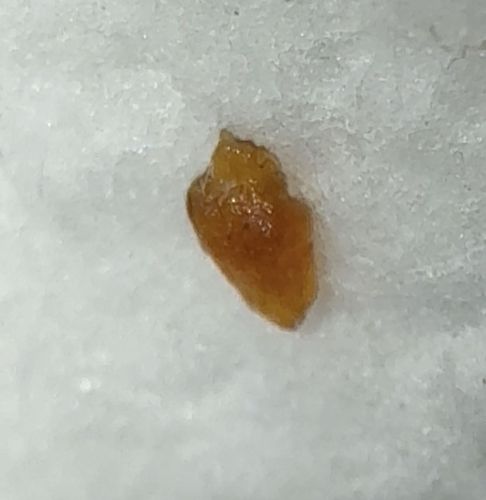
Puss Moth Caterpillar (Late Stage/Cocooning phase)
Megalopyge opercularis
- Order & Family
- Lepidoptera: Megalopygidae
- Size
- 1 to 1.5 inches (2.5 to 4 cm) in length
Natural Habitat
Found on various host plants including oaks, elms, and citrus trees throughout the Southern United States and parts of South America.
Diet & Feeding
Herbivorous caterpillar that feeds on the leaves of a wide variety of deciduous trees and shrubs.
Behavior Patterns
As an adult, it's a moth, but as a larva (caterpillar), it is slow-moving and covered in dense, fur-like setae that conceal venomous spines. It eventually spins a tough, fibrous brown cocoon (similar to the shape in the image) attached to a twig or bark.
Risks & Benefits
Highly hazardous to humans; the hidden spines are hollow and connected to poison sacs. Physical contact causes intense radiating pain, swelling, and sometimes systemic symptoms like nausea or breathing difficulties. They offer little benefit other than being a natural part of the local ecosystem's food chain.