
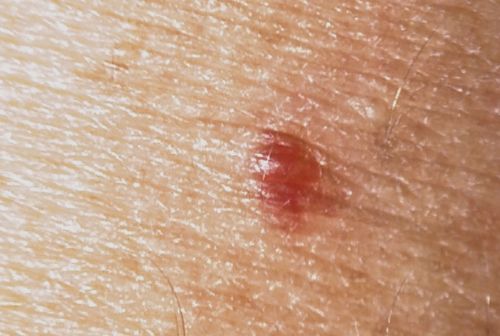
Chigger (Harvest Mite Larva)
Trombicula species (Family: Trombiculidae)
- Order & Family
- Order: Trombidiformes; Family: Trombiculidae
- Size
- Microscopic; approximately 0.15 mm to 0.4 mm (barely visible to the naked eye as a tiny red dot)
Natural Habitat
Tall grass, weeds, berry patches, moist woodlands, and transition areas between forests and fields.
Diet & Feeding
Larvae are parasitic and feed on liquefied skin cells of animals (including humans) via digestive enzymes. Adult mites feed on small insects and insect eggs.
Behavior Patterns
Larvae cluster on vegetation tips 'questing' for a host. Upon contact, they insert feeding structures into the skin (contrary to myth, they do not burrow under the skin), inject enzymes to dissolve tissue, suck up the fluid, and eventually drop off to molt into nymphs.
Risks & Benefits
Risks include intense itching, red welts, and skin irritation (trombidiosis) that can persist for up to two weeks; scratching can lead to secondary infection. In parts of Asia and the Pacific, they can transmit scrub typhus. Ecological benefits are minimal, though adults serve as minor predators of other pests.