
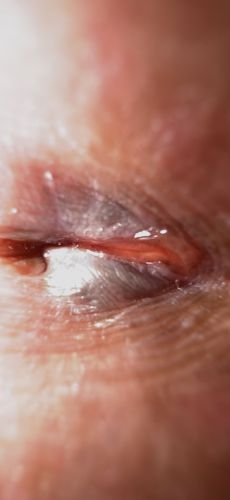
Caterpillar (specifically a macro view of the Spiracle/Breathing Pore)
Larva of Order Lepidoptera (likely Family Sphingidae, e.g., Manduca sp.)
- Order & Family
- Lepidoptera / Sphingidae (Hawk Moths)
- Size
- Larvae can grow to 3-4 inches (7-10 cm) in length; individual spiracles are approximately 1-2 mm.
Natural Habitat
Gardens, agricultural fields, and woodlands, typically found on the underside of leaves of specific host plants (e.g., tomato, tobacco, vines).
Diet & Feeding
Herbivorous; feeds voraciously on the foliage of host plants (e.g., nightshades, trees, vines).
Behavior Patterns
The image shows a spiracle, a valve-like opening on the side of the caterpillar's body used for respiration. These open and close to allow air into the tracheal system while minimizing water loss. The caterpillar spends most of its time eating and molting before pupating.
Risks & Benefits
Risks: Larvae can be significant agricultural or garden pests, capable of defoliating plants rapidly (e.g., Tomato Hornworms). Benefits: Adult moths are often important pollinators; they are harmless to humans (non-venomous).