
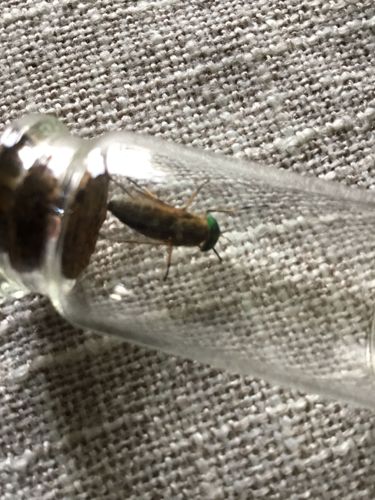
Deer Fly
Chrysops spp.
- Order & Family
- Order: Diptera, Family: Tabanidae
- Size
- Typically 0.5 to 1.5 cm (0.2 to 0.6 inches) in length.
Natural Habitat
Deer flies are commonly found in wooded areas, near wetlands, marshes, ponds, and streams where their larvae develop. Adults are often encountered in meadows, fields, and along the edges of forests, especially in warm, humid environments.
Diet & Feeding
Adult female deer flies are anautogenous, meaning they require a blood meal for egg development. They feed on the blood of mammals, including humans, livestock, and wildlife. Both male and female deer flies also feed on nectar and plant sap for energy. Larvae are carnivorous, feeding on insect larvae and other small invertebrates in their aquatic or semi-aquatic environments.
Behavior Patterns
Female deer flies are active during the day, particularly in warm, humid weather. They are persistent biters and will often follow hosts for some distance. Males primarily feed on nectar and are not blood feeders. Larvae are aquatic or semi-aquatic and are predatory, feeding on small invertebrates.
Risks & Benefits
Risks: Deer flies inflict painful bites, which can cause itchy welts and allergic reactions in some individuals. They are also known vectors for diseases such as tularemia and anthrax in certain regions, though transmission to humans is rare. Their bites can interrupt outdoor activities and reduce the productivity of livestock. Benefits: In their larval stage, deer flies can contribute to the control of other insect larvae. As adults, they can play a minor role in pollination as they feed on nectar.