
Community identification
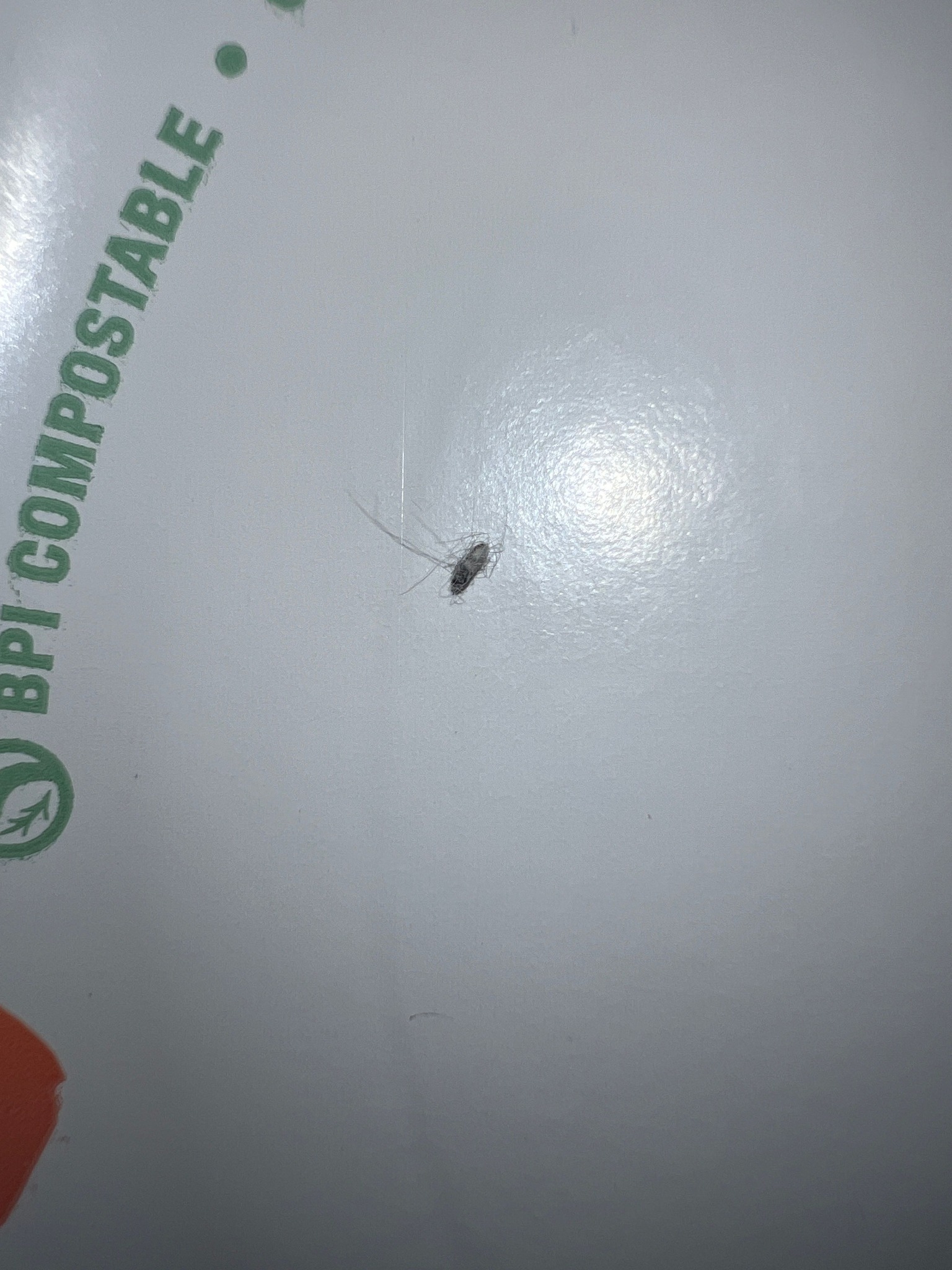
Plaster Bagworm (Case-bearing Moth Larva)
Phereoca uterella
- Order & Family
- Lepidoptera: Tineidae
- Size
- Case is typically 8-13 mm in length; the larva inside is smaller.
Natural Habitat
Commonly found in humid subtropical climates inside homes, particularly on walls, floors, and under furniture.
Diet & Feeding
Larvae feed primarily on spider webs, but also consume wool, silk, and organic debris like human hair it finds in the environment.
Behavior Patterns
The larva constructs a silken protective case covered with sand, soil, and floor debris. It can retract its head into either end of the spindle-shaped case to feed or move. It undergoes several molts before pupating within the same case attached to a wall.
Risks & Benefits
Generally harmless to humans and pets, but can be a minor household pest if they damage silk or wool fabrics. They are mostly an aesthetic nuisance, and their presence often indicates high humidity or an abundance of spider webs.