
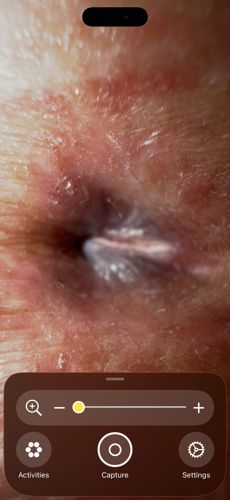
Human Botfly (Larva/Warble)
Dermatobia hominis
- Order & Family
- Diptera / Oestridae (Botflies)
- Size
- Larvae grow from microscopic to approximately 18–24 mm (0.7–1 inch) long before emerging.
Natural Habitat
Native to Central and South America; larvae are parasitic and inhabit the subcutaneous tissue of mammals (including humans).
Diet & Feeding
The larva is an obligate parasite that feeds on the tissue fluids and exudates of its mammalian host.
Behavior Patterns
The adult fly lays eggs on a vector (like a mosquito) which delivers them to a host. The larva burrows into the skin, creating a boil-like lesion (furuncle) with a central pore for breathing. It remains there for 5–10 weeks feeding before emerging to pupate in the soil.
Risks & Benefits
Risks: Causes furuncular myiasis, resulting in painful, inflamed nodules that may ooze fluid. Movements of the larva under the skin can be felt and are often painful or uncomfortable. Risk of secondary bacterial infection if the larva dies or during removal.