
Community identification
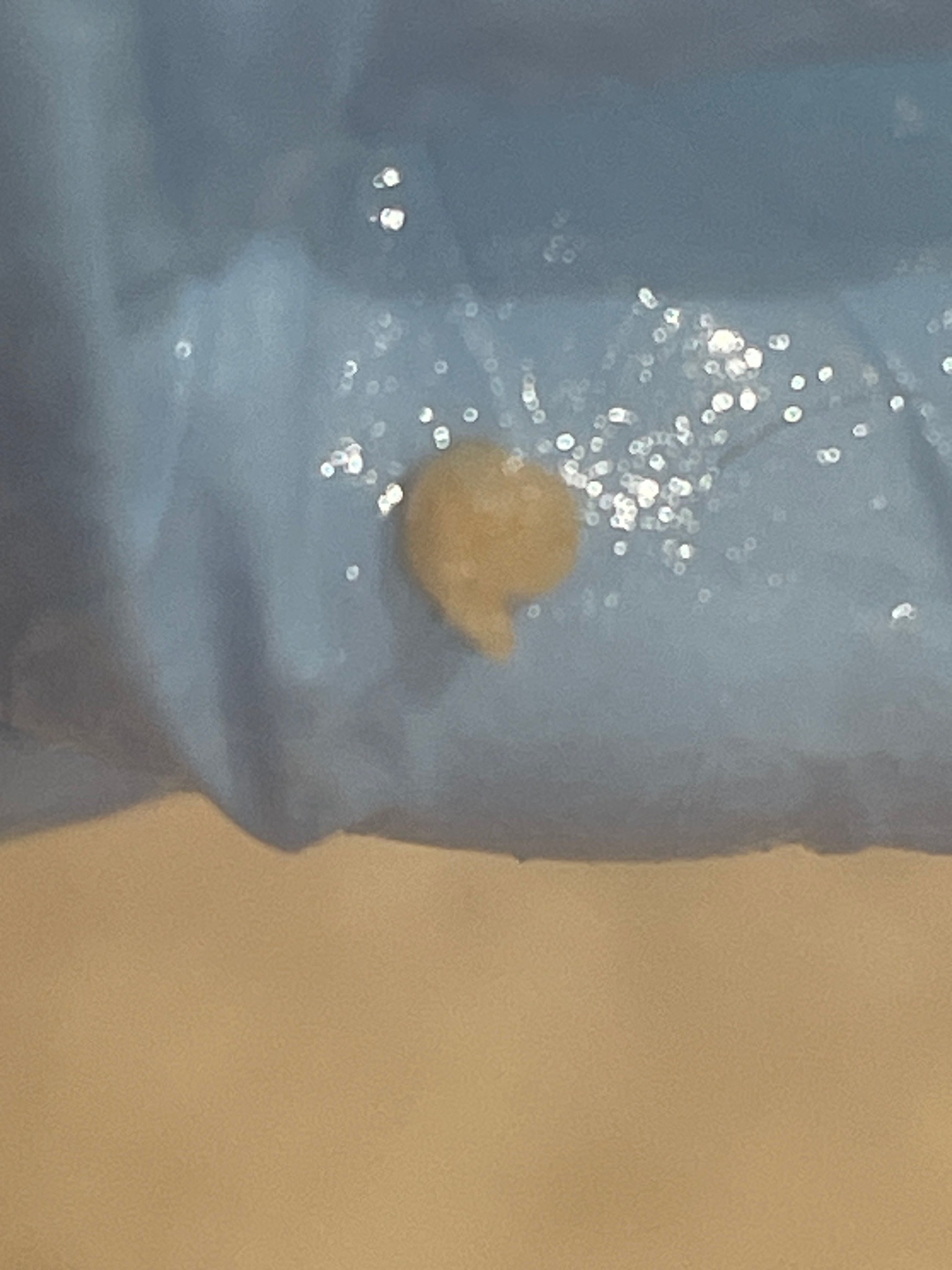
Tussock moth egg mass fragment
Lymantriinae family (e.g., Orgyia sp.)
- Order & Family
- Order: Lepidoptera, Family: Erebidae
- Size
- Entire masses are 10-30mm; small fragments or individual eggs are 1-2mm.
Natural Habitat
Typically found on tree trunks, branches, or near wooden structures like houses and fences.
Diet & Feeding
Larvae (caterpillars) are generalist feeders on various deciduous and coniferous trees.
Behavior Patterns
Females are often flightless and lay eggs in a frothy, hardened mass protected by their own body hairs.
Risks & Benefits
Hairs on the egg mass and caterpillars contain toxins that can cause severe skin irritation (urticaria) or rashes in humans.