
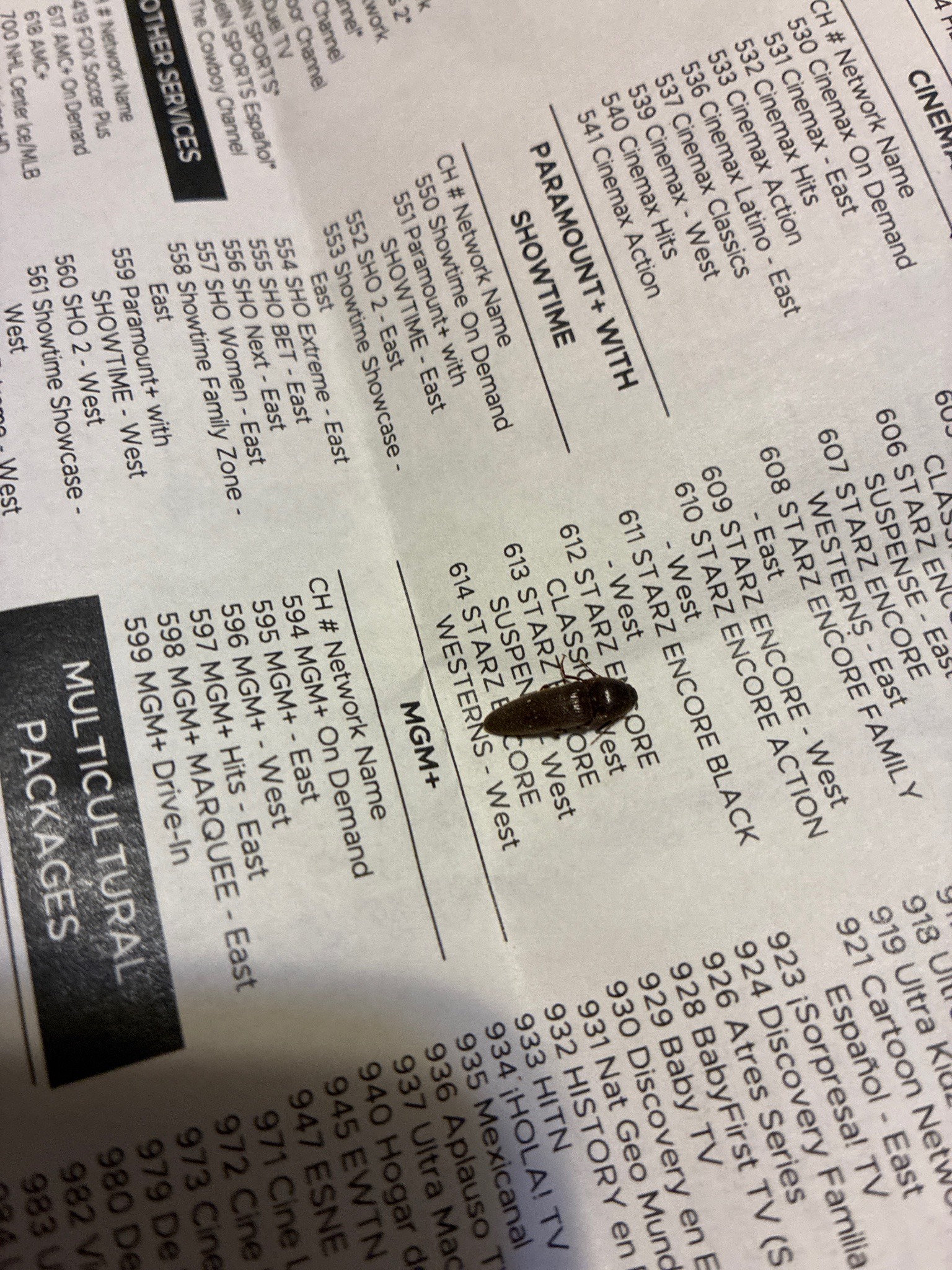
Community identification
Click Beetle
Aeolus mellillus (various species)
- Order & Family
- Order Coleoptera; Family Elateridae
- Size
- 12 mm to 35 mm (approx. 0.5 to 1.5 inches)
Natural Habitat
Found worldwide in varied environments including agricultural fields, forests, and residential gardens; often attracted to artificial lights at night.
Diet & Feeding
Adults primarily feed on nectar, plant juices, and soft-bodied insects. Larvae (wireworms) feed on decaying vegetation, roots, and seeds.
Behavior Patterns
Best known for their unique clicking mechanism used to right themselves or escape predators. When on their back, they snap a thoracic spine into a groove, launching themselves into the air with a clicking sound.
Risks & Benefits
Generally harmless to humans as they do not bite or sting. In the garden, larvae can be minor agricultural pests by feeding on crop roots, but they also contribute to the ecosystem by breaking down organic matter.