
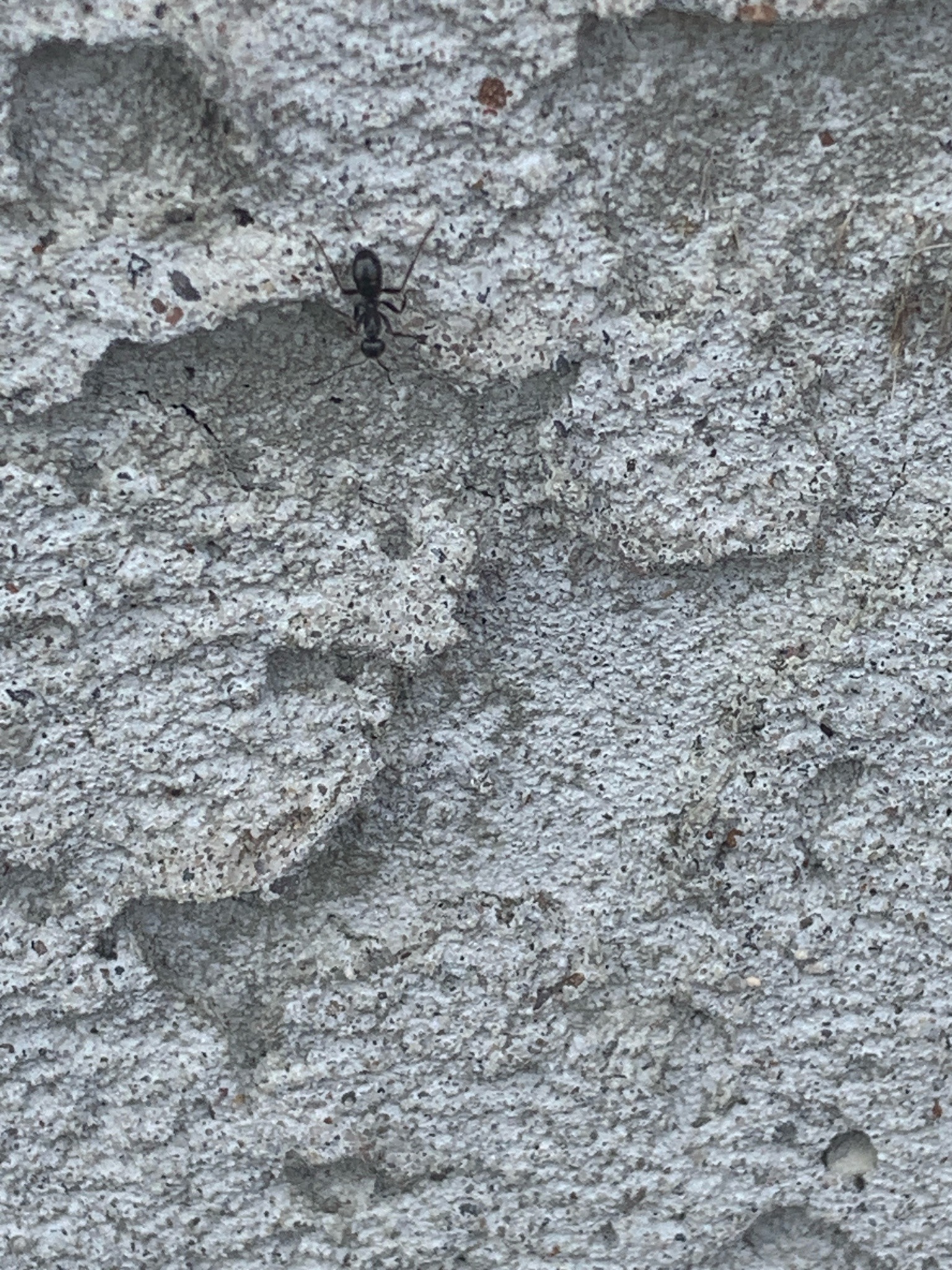
Community identification
Black Carpenter Ant
Camponotus pennsylvanicus
- Order & Family
- Hymenoptera, Formicidae
- Size
- 6 to 13 mm (workers), up to 25 mm (queens)
Natural Habitat
Woodlands, forest edges, and suburban areas; often found nesting in damp wood, hollow logs, or structural timbers.
Diet & Feeding
Omnivorous; they feed on honeydew produced by aphids, plant juices, and other insects. They do not eat wood but excavate it for nesting.
Behavior Patterns
Chiefly nocturnal foragers that create complex galleries in wood. They follow established chemical trails and live in colonies with a single queen and thousands of workers.
Risks & Benefits
Benefits include aerating soil and controlling populations of other insects. Risks include structural damage to homes if nests are established in building timbers.