
Community identification
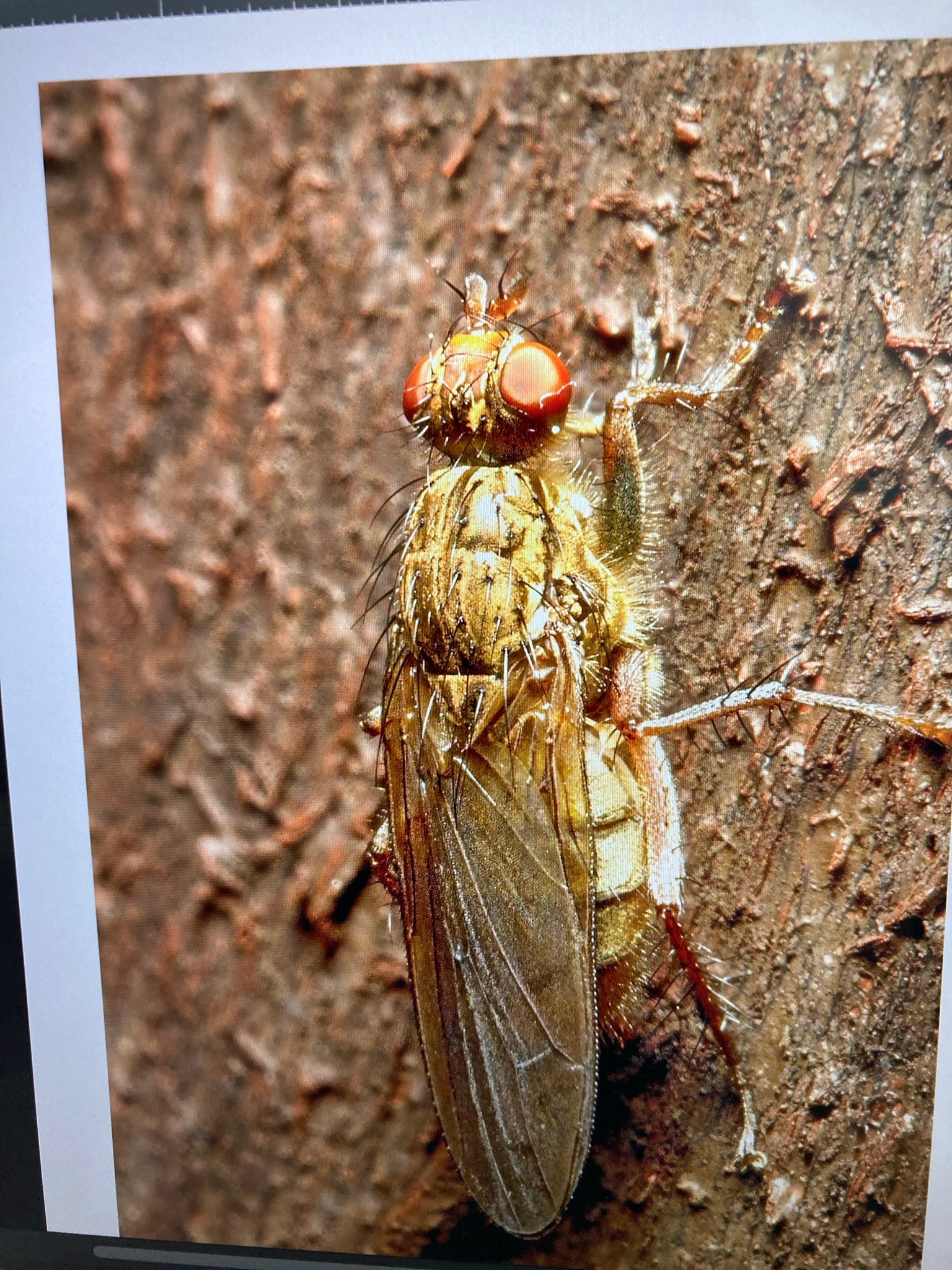
Yellow Dung Fly
Scathophaga stercoraria
- Order & Family
- Diptera, Scathophagidae
- Size
- 5 to 10 mm in length
Natural Habitat
Typically found near livestock, pastures, and farmyards where fresh mammal dung is present.
Diet & Feeding
Adults are predators that feed on smaller insects like other flies; larvae (maggots) consume mammal dung, primarily cow manure.
Behavior Patterns
Males are known for their bright golden-yellow fur and gather in large numbers on fresh dung to compete for mates. They exhibit complex mating behaviors including territorial guarding of females.
Risks & Benefits
Harmless to humans as they do not bite or sting. They are highly beneficial to the ecosystem as they assist in the decomposition of animal waste and act as natural pest control by preying on other flies.