
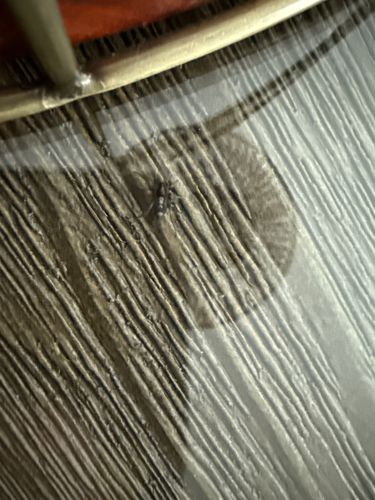
Globular Spider Beetle
Gibbium aequinoctiale
- Order & Family
- Order: Coleoptera, Family: Ptinidae
- Size
- Typically 2.0 - 3.5 mm in length.
Natural Habitat
Commonly found in human dwellings, warehouses, mills, and storages where dried food products are kept. They thrive in damp, undisturbed environments.
Diet & Feeding
Mainly feeds on stored dry food products such as grains, flours, dried fruits, dried meats, spices, and even woolen materials, museum specimens, and drugs. They are scavengers.
Behavior Patterns
Spider beetles are typically nocturnal and prefer dark, secluded areas. They undergo complete metamorphosis with egg, larval, pupal, and adult stages. The larvae are often the most damaging stage, feeding on stored products. Adults are long-lived compared to many other stored product pests.
Risks & Benefits
Risks: Primarily a pest of stored products, causing contamination and damage to food items and other organic materials. They do not bite or sting humans and are not known to transmit diseases. Benefits: In a broader ecological context, they contribute to decomposition of organic matter, but this is usually not considered a benefit in human-managed environments.