
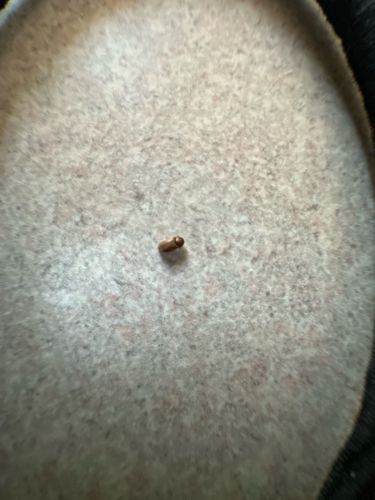
Drugstore Beetle
Stegobium paniceum
- Order & Family
- Order: Coleoptera, Family: Ptinidae (formerly Anobiidae)
- Size
- Adults are typically 2.25 mm to 3.5 mm (approximately 1/10 to 1/8 inch) in length.
Natural Habitat
Drugstore beetles are common pantry pests found worldwide. They infest homes, retail stores, warehouses, and factories where food products, spices, or other susceptible materials are stored. They prefer warm, dark places and are often found in kitchen cupboards, pantries, and food processing areas.
Diet & Feeding
The drugstore beetle is a generalist feeder with an incredibly wide diet. It feeds on various stored products including pharmaceuticals, tobacco, dried pet food, spices, dried fruits, flour, cereals, chocolate, coffee, dried fish, leather, and even some non-food items like books or paper.
Behavior Patterns
Drugstore beetles are known for their ability to bore into tough materials. Adults are active, can fly, and are attracted to light. Females lay eggs directly on food sources. Larvae are C-shaped and bore through the media they infest, creating tunnels and consuming the material. The larval stage is responsible for most of the damage. They can complete their life cycle in as little as 30-50 days under ideal conditions (warm and humid), leading to multiple generations per year.
Risks & Benefits
Risks: Drugstore beetles are primarily a nuisance and economic pest. They contaminate and damage stored food products, making them unfit for consumption. While they do not transmit diseases to humans or bite, their presence can indicate poor storage practices. Benefits: There are no known direct benefits of drugstore beetles to humans or the ecosystem.