
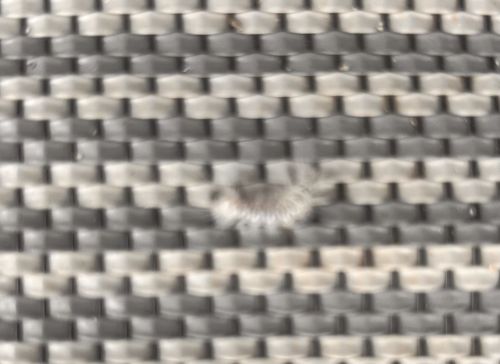
Carpet Beetle (likely Varied Carpet Beetle or Black Carpet Beetle)
There are several common species, including 'Anthrenus verbasci' (Varied Carpet Beetle) and 'Attagenus unicolor' (Black Carpet Beetle). Without clearer morphological features, it's difficult to pinpoint the exact species.
- Order & Family
- Order: Coleoptera, Family: Dermestidae
- Size
- Adults typically range from 2-5 mm (0.08-0.2 inches) in length. Larvae are similar in size, often slightly larger, up to 5-6 mm.
Natural Habitat
Indoors, larvae can be found in carpets, rugs, upholstered furniture, clothing, blankets, taxidermy, museum specimens, stored food products, and even in undisturbed corners with lint and pet hair. Outdoors, adults are found on flowering plants.
Diet & Feeding
Larvae feed on natural fibers like wool, silk, fur, leather, feathers, pet hair, dead insects, and dried animal products. Adult carpet beetles feed on pollen and nectar.
Behavior Patterns
Adult carpet beetles are often found near windows as they are attracted to light. Larvae are typically found in dark, undisturbed areas where their food sources are present. They are known for their ability to digest keratin, a protein found in animal products. Larvae are the damaging stage, as they feed on natural fibers. They undergo complete metamorphosis.
Risks & Benefits
Risks: Carpet beetle larvae can cause significant damage to natural fiber products, including clothing, carpets, furniture, and museum collections, leading to economic loss. Some people may develop skin irritation or allergic reactions from contact with their bristles or shed skins. Benefits: In nature, dermestid beetles play a role as scavengers, breaking down organic matter like animal carcasses and dried plant material.