
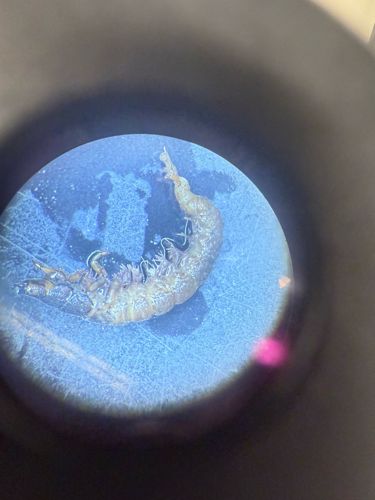
Scud, Freshwater Shrimp, Gammarid Amphipod
Gammarus spp.
- Order & Family
- Order Amphipoda, Family Gammaridae
- Size
- Typically 5mm to 20mm (0.2 to 0.8 inches) in length, though some species can be smaller or larger.
Natural Habitat
Commonly found in freshwater environments such as streams, rivers, lakes, ponds, and even temporary puddles. They prefer areas with aquatic vegetation, leaf litter, or submerged debris, providing shelter and food.
Diet & Feeding
Primarily detritivores, feeding on decaying organic matter such as leaves, algae, and biofilms on submerged surfaces. Some species may also graze on diatoms and other microscopic organisms.
Behavior Patterns
Amphipods are known for their distinctive sideways swimming motion. They are mostly nocturnal and tend to hide during the day. They play an important role as decomposers in aquatic ecosystems, breaking down organic material. They often aggregate in large numbers in suitable habitats.
Risks & Benefits
Scuds are generally beneficial to aquatic ecosystems. They are a significant food source for many fish species (e.g., trout, salmon, bass), predatory insects, and other aquatic organisms. Their detritivorous feeding habits contribute to water purification by breaking down organic matter. They pose no direct risks to humans.