
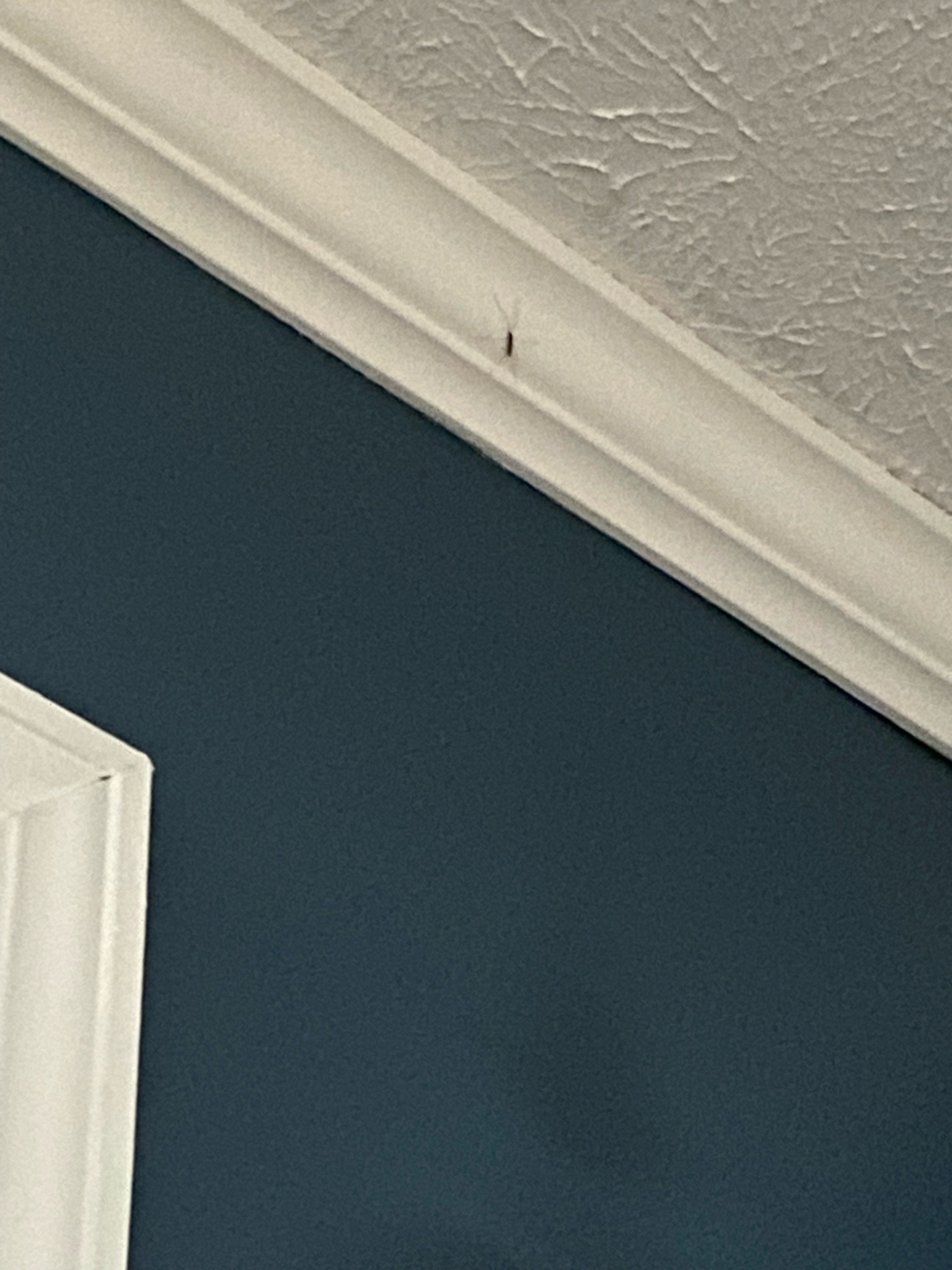
Community identification
Crane Fly
Tipulidae (Family)
- Order & Family
- Order: Diptera, Family: Tipulidae
- Size
- Body length typically between 0.5 to 2.5 inches (10 to 65 mm), with a significantly wider leg span.
Natural Habitat
Commonly found near moist environments with organic matter, such as gardens, fields, and wetlands; often enter homes through open doors or windows.
Diet & Feeding
Adults typically do not feed or consume only nectar and water; larvae (leatherjackets) feed on decaying vegetation and the roots of grass and plants.
Behavior Patterns
Attracted to outdoor lights at night; known for their clumsy, gangly flight and tendency to rest on walls and ceilings. Life cycle includes egg, larval, pupal, and adult stages.
Risks & Benefits
Harmless to humans as they do not bite or sting; beneficial as a food source for birds and other wildlife, though larvae can occasionally damage turf or crops.