
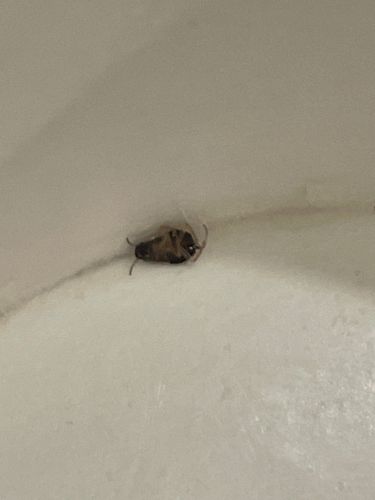
Carpet Beetle
Dermestidae (various genera and species, e.g., Anthrenus, Trogoderma)
- Order & Family
- Order: Coleoptera, Family: Dermestidae
- Size
- Larvae: 1-5 mm; Adults: 2-5 mm
Natural Habitat
Indoors, carpet beetles are often found in homes, museums, warehouses, and other buildings. They prefer dark, undisturbed areas such as closets, attics, beneath furniture, and in air ducts. Outdoors, adults can be found in gardens on flowers.
Diet & Feeding
Larvae feed on a wide variety of animal-based materials, including wool, silk, feathers, leather, fur, animal carcasses, dried pet food, and even some dried plant products like cereals and seeds. Adults primarily feed on flower pollen and nectar.
Behavior Patterns
Carpet beetle larvae are typically found in dark, undisturbed areas where their food sources are abundant. They are known for their slow movement. Adults are attracted to light and are often found near windows. The larvae are the damaging stage, while adults mainly feed on pollen and nectar outdoors.
Risks & Benefits
Potential Risks: Carpet beetles are considered household pests. Their larvae can cause significant damage to natural fibers in clothing, carpets, upholstery, and stored foods. They do not bite humans, but some people may experience skin irritation or allergic reactions from bristles shed by the larvae. Potential Benefits: In nature, dermestid beetles play a role as scavengers, breaking down organic materials, including animal carcasses.