
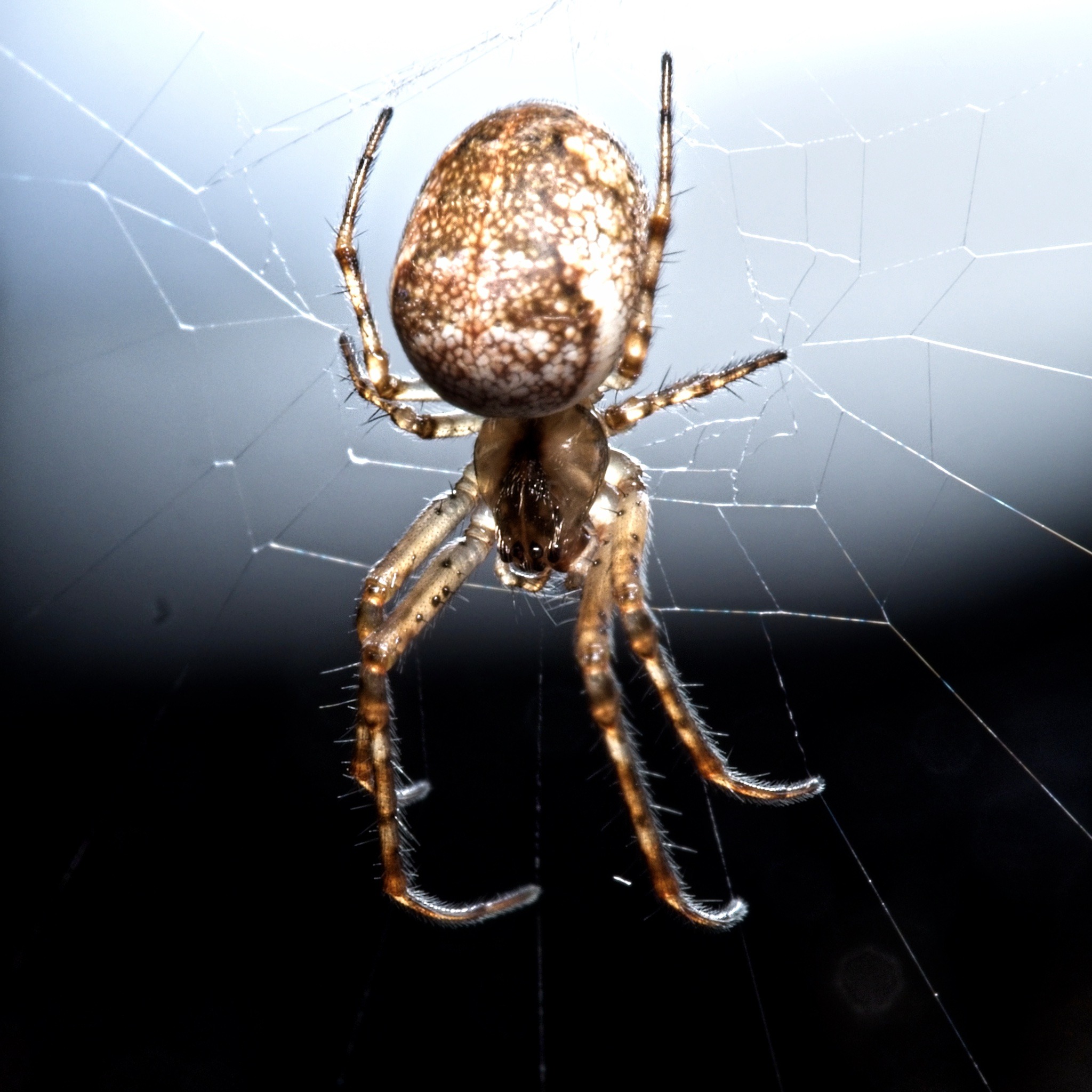
Community identification
Common House Spider
Parasteatoda tepidariorum
- Order & Family
- Araneae: Theridiidae
- Size
- Females range from 5 to 6 mm in body length; males are smaller, ranging from 3.8 to 4.7 mm.
Natural Habitat
Widely distributed globally, typically found in man-made structures such as sheds, barns, basements, and under eaves.
Diet & Feeding
Carnivorous insectivores that feed on flies, mosquitoes, ants, wasps, and other spiders that crawl into their tangled webs.
Behavior Patterns
Builds tangled, messy-looking cobwebs. They are non-aggressive, usually retreating to a corner of the web when disturbed. Females produce distinctive pear-shaped, brownish egg sacs.
Risks & Benefits
Benefits the ecosystem and homeowners by controlling pest insect populations. Their bite is not dangerous to humans, typically resulting in only minor redness or swelling similar to a bee sting if they are handled roughly.