
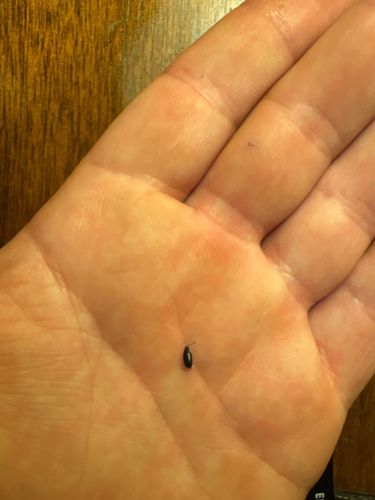
Flea Beetle
Various genera within the Alticini tribe (e.g., Phyllotreta, Epitrix, Altica)
- Order & Family
- Order: Coleoptera, Family: Chrysomelidae
- Size
- Typically 1.5 to 4.5 mm (0.06 to 0.18 inches) in length
Natural Habitat
Flea beetles are found in agricultural fields, gardens, and other areas where their host plants are present. They are often associated with plants in the cabbage family, nightshade family, and others.
Diet & Feeding
Adult flea beetles feed on the leaves of various plants, creating small, circular holes (shotgun-like damage). Larvae feed on plant roots.
Behavior Patterns
Adult flea beetles are known for their jumping ability, which is their primary defense mechanism when disturbed. Larvae live in the soil and feed on roots. Adults feed on foliage.
Risks & Benefits
Risks: Flea beetles are considered agricultural pests. Their feeding on leaves can stunt plant growth, reduce yields, and in severe infestations, kill young plants. They can also transmit plant diseases. Benefits: As with most insects, they are part of the food chain for other organisms.