
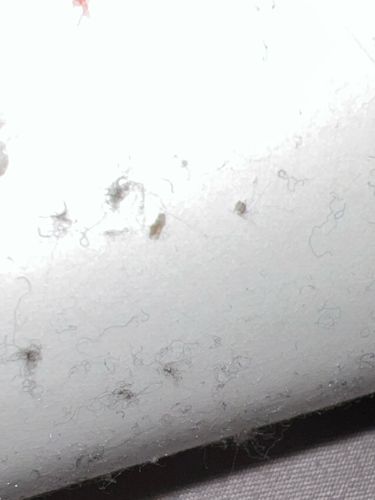
Dust mites
Dermatophagoides spp.
- Order & Family
- Acariformes, Pyroglyphidae
- Size
- 0.1-0.5 mm (microscopic)
Natural Habitat
Indoor environments, particularly in bedding, upholstered furniture, carpets, and clothing where they feed on dead skin cells. They thrive in warm, humid conditions.
Diet & Feeding
Primarily feed on dead human and animal skin flakes (dander), as well as some molds and other organic debris found in dust.
Behavior Patterns
Dust mites are microscopic arachnids that live in dust. They are not parasitic but are common inhabitants of human dwellings. They avoid light and are most active at night. Their life cycle includes egg, larva, nymph, and adult stages, with adults living for about 6-10 weeks.
Risks & Benefits
Potential risks include triggering allergic reactions and asthma attacks in sensitive individuals due to their fecal matter and body fragments. They do not bite or transmit diseases. There are no known direct benefits to humans, but they play a role in breaking down organic matter in indoor dust.