
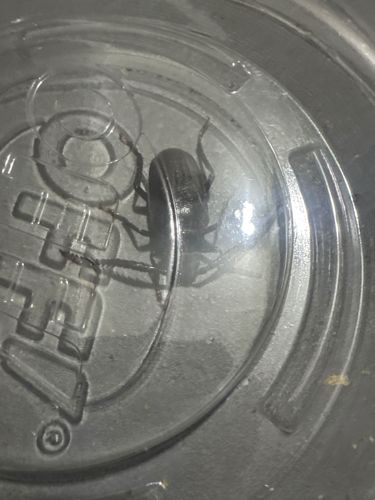
Click Beetle
Elateridae (family)
- Order & Family
- Order: Coleoptera, Family: Elateridae
- Size
- Typically 2 mm to 60 mm (0.08 to 2.4 inches), depending on the species.
Natural Habitat
Click beetles are found in a wide variety of habitats, including forests, grasslands, agricultural fields, gardens, and urban areas. Larvae live in the soil.
Diet & Feeding
Adult click beetles typically feed on pollen, nectar, and decaying plant matter. Larvae (wireworms) are often omnivorous, feeding on plant roots, seeds, underground stems, and sometimes other small soil organisms.
Behavior Patterns
Many species are nocturnal and are attracted to lights. They are known for their distinctive clicking sound and the ability to flip themselves over when on their back, using a spine and a groove on their underside. Larvae (wireworms) can spend several years in the soil.
Risks & Benefits
Risks: Larvae (wireworms) can be significant agricultural pests, causing damage to crops like corn, wheat, potatoes, and vegetables by feeding on their roots and seeds. Benefits: Some species are beneficial predators of other insect larvae in the soil. Adults can act as pollinators in some cases.