
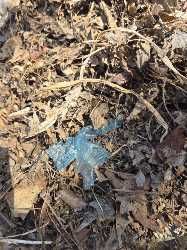
Community identification
Ghost Mantis
Phyllocrania paradoxa
- Order & Family
- Mantodea: Hymenopodidae
- Size
- 45–50 mm (1.8–2.0 inches)
Natural Habitat
Found in dry areas with bushes, shrubs, and trees across Sub-Saharan Africa and Madagascar; specifically relies on dead leaves for camouflage.
Diet & Feeding
Carnivorous (insectivorous), primarily eating flying insects like flies, moths, and butterflies, but also crickets and other small arthropods.
Behavior Patterns
Master of crypsis, it mimics dead, shriveled leaves to avoid predators and ambush prey. It is relatively sedentary and less aggressive than other mantis species, often remaining motionless for long periods.
Risks & Benefits
Generally harmless to humans; provides ecological benefits by controlling insect populations. They are popular in the pet trade because they are docile and easy to care for.