
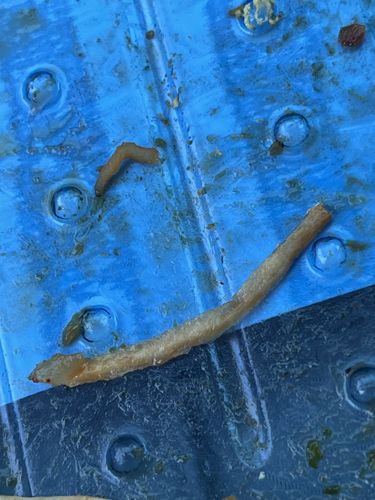
Community identification
Flatworm
Phylum Platyhelminthes
- Order & Family
- Class Turbellaria (non-parasitic flatworms)
- Size
- Typically 1 mm to several centimeters, though some terrestrial species can exceed several inches.
Natural Habitat
Damp soil, leaf litter, rotting logs, and aquatic environments ranging from freshwater to marine ecosystems.
Diet & Feeding
Predatory or scavenger; feeds on small invertebrates like earthworms, snails, and slugs by secreting digestive enzymes.
Behavior Patterns
Nocturnal and moisture-dependent; they move using cilia on a layer of mucus and can regenerate from body fragments.
Risks & Benefits
Invasive species can deplete local earthworm populations; they are generally harmless to humans but some species produce toxins like tetrodotoxin.