
Community identification
Plaster Bagworm
Phereoeca uterella
- Order & Family
- Lepidoptera: Tineidae
- Size
- 8 mm to 13 mm in length for the protective case.
Natural Habitat
Typically found inside residential buildings, garages, and on the exterior walls of houses in humid climates.
Diet & Feeding
Larvae scavenge for organic debris, including spider silk, wool, fur, hair, and dead insects.
Behavior Patterns
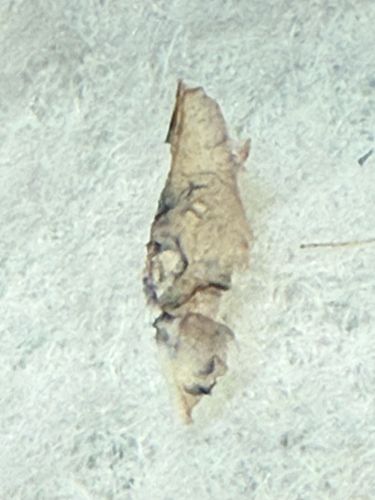
The larva constructs a protective silk case covered in sand, soil, and debris. It can turn around inside the case to protrude its head from either end, allowing it to move in both directions. It eventually attaches the case to a vertical surface to pupate.
Risks & Benefits
They are considered a minor household pest because they can damage silk or wool fabrics and carpets, but they pose no physical risk to humans or pets. They help the ecosystem by consuming detritus and spider webs.