
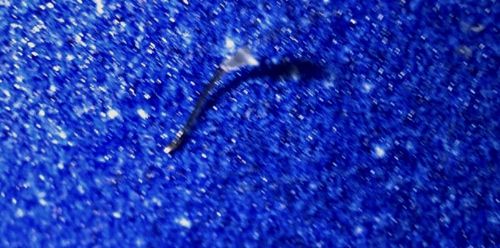
Drain Fly Larva
Psychoda spp. (specifically larvae)
- Order & Family
- Diptera / Psychodidae
- Size
- Typically 3 mm to 10 mm (0.12 to 0.4 inches) in length.
Natural Habitat
Moist environments rich in decomposing organic matter, commonly found in bathroom drains, sewage systems, shower pans, and sometimes near pools or standing water.
Diet & Feeding
Feeds on decaying organic matter, sludge, algae, bacteria, and fungi found in drains and stagnant water.
Behavior Patterns
The larvae are aquatic or semi-aquatic and do not drown. They breathe through a tube on their posterior end. They are often seen wriggling in the slime layer (
Risks & Benefits
Risks: They are nuisance pests and can breed rapidly in dirty drains. While they do not bite, they can mechanically transport bacteria from sewage to other surfaces. Benefits: They help break down decomposing organic material in the ecosystem, though this benefit is negligible in a home setting.