
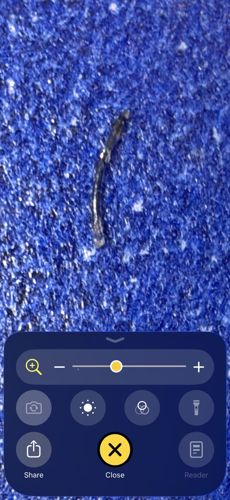
Community identification
Crane fly larva (Leatherjacket)
Tipula species
- Order & Family
- Order: Diptera; Family: Tipulidae
- Size
- 10 to 50 mm in length depending on species and developmental stage.
Natural Habitat
Damp soil, moist leaf litter, lawns, stagnant water, or semi-aquatic environments.
Diet & Feeding
Larvae typically feed on organic detritus, decaying plant matter, or the roots and stems of living plants like grasses.
Behavior Patterns
They are primarily nocturnal or underground feeders. They undergo complete metamorphosis, spending several months as larvae before pupating and emerging as adult crane flies.
Risks & Benefits
They pose no risk to humans as they do not bite or sting. In high numbers, they can be agricultural or lawn pests by damaging root systems, but they are beneficial as decomposers and a food source for birds and other wildlife.