
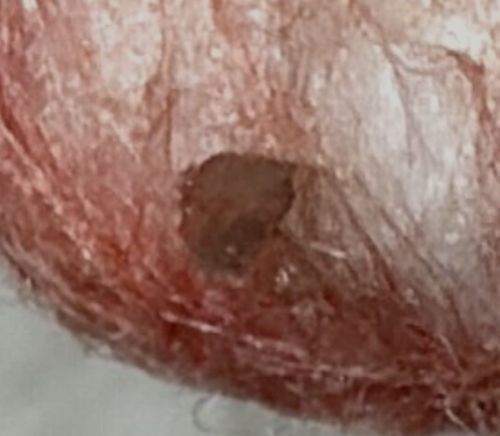
Community identification
Tussock Moth Pupa (Silk Cocoon stage)
Family Lymantriidae
- Order & Family
- Order: Lepidoptera, Family: Erebidae (formerly Lymantriidae)
- Size
- Cocoon size typically ranges from 1 to 2 inches (2.5 to 5 cm) in length.
Natural Habitat
Found on tree trunks, walls, fences, and under eaves in various environments including forests and suburban gardens.
Diet & Feeding
In the pupal stage, it does not eat. As larvae (caterpillars), they feed on foliage from a wide variety of deciduous and evergreen trees.
Behavior Patterns
Larvae spin these silk cocoons incorporating their own irritating hairs for protection during metamorphosis. They remain immobile inside until emerging as adult moths.
Risks & Benefits
Risks: The hairs woven into the cocoon can cause 'lepidopterism' (skin irritation or dermatitis) upon contact. Benefits: Key food source for birds and parasitic wasps; helps regulate plant growth.