
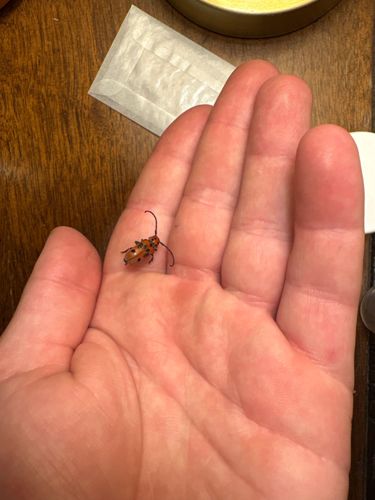
Spotted Cucumber Beetle
Diabrotica undecimpunctata howardi (Eastern US subspecies) or Diabrotica undecimpunctata (species level)
- Order & Family
- Order: Coleoptera, Family: Chrysomelidae
- Size
- Approximately 5-7 mm (0.2-0.3 inches) in length.
Natural Habitat
Agricultural fields, gardens, and other areas where host plants such as cucurbits, corn, and legumes are grown. They are widespread across North America.
Diet & Feeding
Adults feed on the leaves, flowers, and fruits of a wide variety of plants, especially cucurbits (cucumbers, melons, squashes, pumpkins). Larvae feed on the roots and underground stems of plants, often preferring corn and other grasses.
Behavior Patterns
Adult Spotted Cucumber Beetles are active during the day, feeding on flowers, leaves, and fruits. They are known to be strong fliers and can travel significant distances. Larvae live in the soil, feeding on roots. Females lay eggs in the soil near host plants.
Risks & Benefits
Risks: Spotted Cucumber Beetles are significant agricultural pests. Adults cause damage by defoliating plants, feeding on flowers (leading to poor fruit set), and scarring fruits. Larvae cause "corn rootworm" damage, significant in corn production, by tunneling into roots and causing lodging. More importantly, they are vectors for various plant diseases, including bacterial wilt in cucurbits and mosaic viruses. Benefits: In natural ecosystems where their populations are not overwhelming, they can be part of the food chain for birds and other insects. However, their pest status generally outweighs any ecological benefits in agricultural settings.