
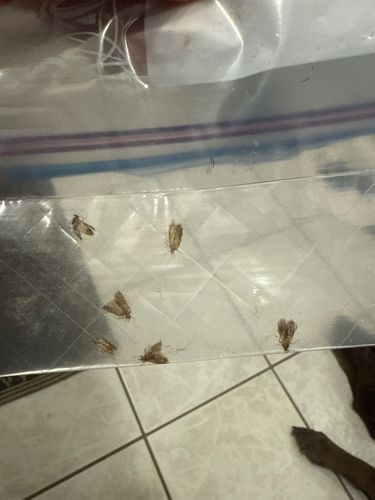
Indian Meal Moth
Plodia interpunctella
- Order & Family
- Lepidoptera, Pyralidae
- Size
- Adults have a wingspan of about 1/2 to 3/4 inch (12-20 mm). Larvae can reach up to 1/2 inch (12 mm) in length.
Natural Habitat
Primarily indoor environments, especially kitchens, pantries, food processing plants, and storage facilities where dried food products are kept.
Diet & Feeding
Larvae feed on a wide variety of stored dry foods including grains, cereal products (flour, cornmeal), pasta, dried fruits, nuts, birdseed, pet food, spices, and chocolate. Adults generally do not feed.
Behavior Patterns
Adult moths are nocturnal and are attracted to light. Females lay eggs on or near food sources. Larvae are the damaging stage, spinning silken webs as they feed and constructing silken cocoons to pupate. They often crawl away from food sources to find a suitable pupation site.
Risks & Benefits
Risks: Significant pantry pests, causing contamination and damage to stored food products. Infested food becomes inedible due to the presence of larvae, their webbing, and excrement. Benefits: No significant benefits to humans or the ecosystem; considered a pest.