
Citrus Leafminer
Phyllocnistis citrella
- Order & Family
- Order: Lepidoptera, Family: Gracillariidae
- Size
- Adult moths are very small, with a wingspan of about 4 mm (0.16 inches). Larvae are also tiny, growing up to about 3 mm (0.12 inches) long at their largest instar, confined to their mines within the leaf.
Natural Habitat
Citrus leafminers are found wherever citrus trees are grown. They prefer to infest young, tender leaves and new flushes on citrus trees, including oranges, lemons, limes, grapefruits, mandarins, and other related ornamental Rutaceae plants.
Diet & Feeding
The larvae of the citrus leafminer feed by tunneling and consuming the epidermal and mesophyll cells within the leaves of citrus plants. Adult moths do not feed on leaves; their primary role is reproduction.
Behavior Patterns
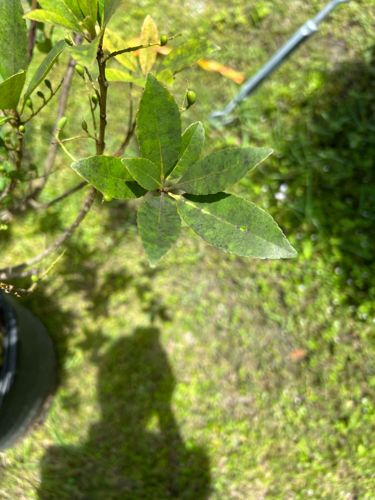
The image provided shows damage on the leaves, which appears to be consistent with citrus leafminer infestation. Citrus leafminers are the larval stage of a small moth. The larvae tunnel within the leaves, creating characteristic serpentine mines just under the leaf surface. This mining activity typically occurs on new flush or young leaves. Adult moths are nocturnal and lay eggs on young leaves, usually on the underside. After hatching, the larvae burrow into the leaf and feed for several instars before pupating within the mine or at the leaf margin by rolling the leaf edge over themselves.
Risks & Benefits
Potential Risks: The primary risk associated with citrus leafminers is the damage they cause to citrus trees. While mature trees can tolerate some leaf damage without significant yield loss, severe infestations on young trees or nursery stock can distort leaves, reduce photosynthetic capacity, weaken the plant, and make it more susceptible to other stresses or diseases, such as citrus canker. The mines created by the larvae can also serve as entry points for bacterial diseases. Potential Benefits: There are no direct benefits of citrus leafminers to the ecosystem or humans. They are primarily considered a pest in citrus cultivation.