
Community identification
Caddisflies
Trichoptera
- Order & Family
- Order: Trichoptera (Families vary, such as Limnephilidae or Phryganeidae)
- Size
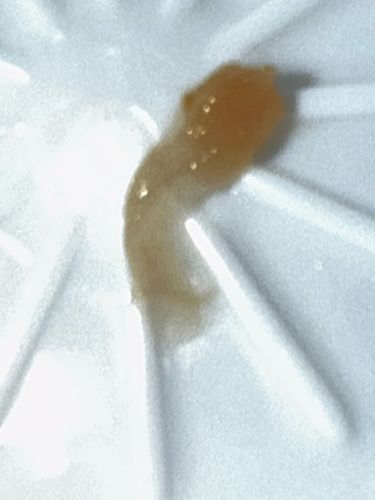
- Egg masses are typically 1 to 5 centimeters in length.
Natural Habitat
Stagnant or slow-moving freshwater environments, including ponds, lakes, and streams.
Diet & Feeding
Larvae are generally omnivorous or detritivorous, feeding on decaying organic matter, algae, and small invertebrates.
Behavior Patterns
Adult females deposit eggs in a protective gelatinous mass on vegetation or surfaces near water. Upon hatching, the larvae drop into the water and often construct protective cases from silk and debris.
Risks & Benefits
They are harmless to humans and serve as a crucial food source for fish and birds, and are indicators of good water quality.