
Community identification
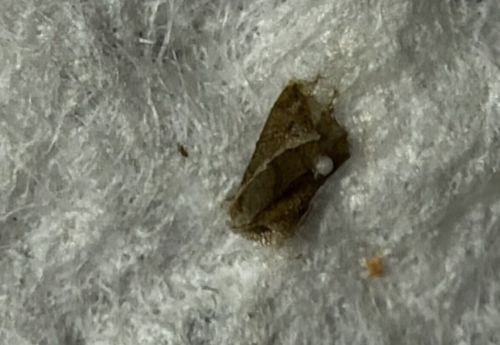
Brown Lacewing (Larval debris packet)
Hemerobius sp. or Micromus sp. (Family Hemerobiidae)
- Order & Family
- Order: Neuroptera, Family: Hemerobiidae
- Size
- Larvae are roughly 1/4 to 1/3 inch (6-8 mm) long, adults encompass a similar length with wingspan up to 25mm.
Natural Habitat
Found in gardens, forests, and agricultural fields on foliage of trees, bushes, and low-growing vegetation. Sometimes accidental intruders in homes.
Diet & Feeding
Predaceous; larvae and adults feed on soft-bodied insects like aphids, scales, mealybugs, mites, and insect eggs (often called 'aphid wolves').
Behavior Patterns
The larvae of some species cover themselves with debris (remains of prey, lichens, or plant matter) as camouflage to sneak up on prey and avoid predators. They are active hunters.
Risks & Benefits
Benefits: Highly beneficial biological control agents that consume large numbers of garden pests. Risks: Harmless to humans; they do not bite or sting.