
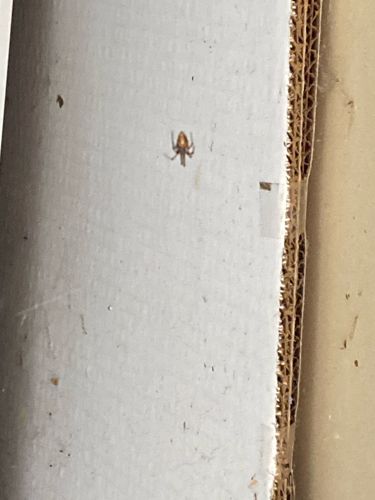
Cellar Spider (or Daddy Long-legs Spider)
Pholcus phalangioides is the most common species, but other species within Pholcidae also fit the description.
- Order & Family
- Order: Araneae, Family: Pholcidae
- Size
- Body length typically 2-10 mm; leg span can be considerably larger, up to 50 mm or more, giving them their 'daddy long-legs' appearance.
Natural Habitat
Cellar spiders are commonly found in dark, damp, and undisturbed areas of human dwellings, such as cellars, basements, crawl spaces, garages, sheds, and attics. They can also be found outdoors in sheltered spots like under rocks or logs.
Diet & Feeding
Mainly other insects and spiders. They are opportunistic predators and will even prey on other, more dangerous spiders like black widows when given the opportunity. They are known to 'steal' prey from other spiders' webs.
Behavior Patterns
Cellar spiders are known for building irregular, messy webs in corners of rooms, cellars, and other quiet, undisturbed places. They hang upside down in their webs. When disturbed, they often vibrate rapidly in their web, making themselves appear as a blur to potential predators, a behavior known as 'whirling'. They are generally nocturnal.
Risks & Benefits
Risks: Virtually none to humans. Despite urban legends, their venom is not dangerous to people. Their fangs are very small and generally unable to penetrate human skin. Benefits: They are beneficial as they prey on other insects and spiders, including nuisance pests and potentially more medically significant spiders. They are natural pest control.