
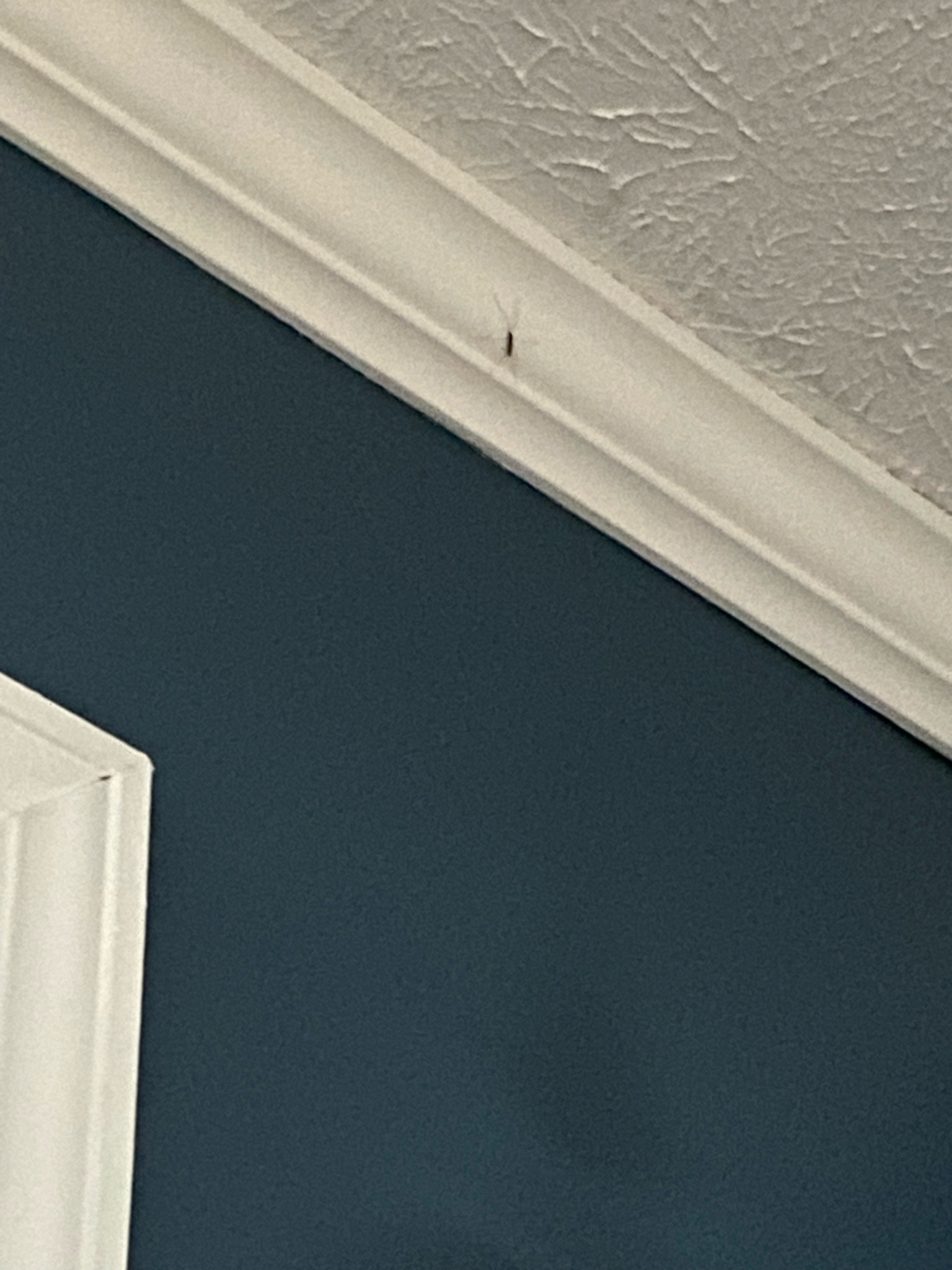
Community identification
Crane Fly
Tipulidae
- Order & Family
- Order: Diptera; Family: Tipulidae
- Size
- Body length typically between 0.2 to 2.5 inches (5 to 65 mm), with much longer legs.
Natural Habitat
Commonly found in moist areas such as woodlands, gardens, and grasslands near water sources. Often enter homes through open doors or windows.
Diet & Feeding
Adults typically feed on nectar or do not eat at all; larvae (leatherjackets) feed on decaying organic matter or plant roots.
Behavior Patterns
Known for their clumsy flying and long, fragile legs. They are often attracted to artificial lights at night. They undergo complete metamorphosis from aquatic or semi-aquatic larvae.
Risks & Benefits
Harmless to humans as they do not bite or sting. They serve as an important food source for birds, fish, and other wildlife. Some larvae can be minor pests to turfgrass.