
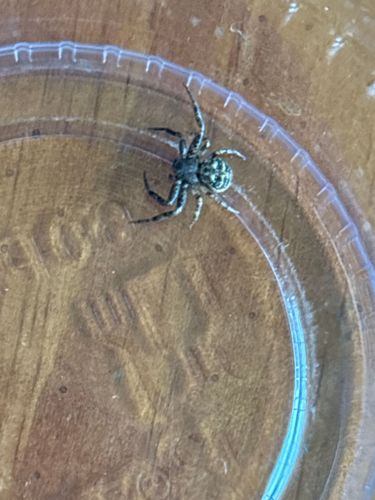
Jumping Spider
Various species within the Salticidae family (e.g., Phidippus audax, Platycryptus undatus)
- Order & Family
- Order: Araneae, Family: Salticidae
- Size
- Generally 1 mm to 15 mm in body length, with many common species being 5-10 mm.
Natural Habitat
Widely diverse habitats, including forests, grasslands, deserts, and even human dwellings. They are often found on vertical surfaces, leaves, and other places where they can spot prey.
Diet & Feeding
Mainly other insects and small arthropods. They are generalist predators.
Behavior Patterns
Jumping spiders are active hunters during the day. They have excellent vision and stalk their prey before pouncing. They do not build webs to catch prey but use silk for safety lines, to build retreats for molting or resting, and to lay eggs.
Risks & Benefits
Risks: Jumping spiders are not considered dangerous to humans. While they can bite, their venom is not medically significant and is comparable to a bee sting if it occurs. Benefits: They are beneficial predators, helping to control populations of various insect pests in gardens and homes.