
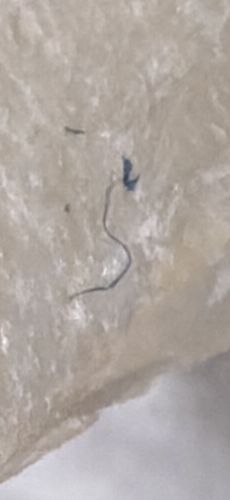
Community identification
Horsehair worm
Nematomorpha
- Order & Family
- Order: Gordioidea; Family: Various (e.g., Gordiidae)
- Size
- Generally 10 to 35 centimeters long, but only 1 to 3 millimeters thick.
Natural Habitat
Freshwater environments like streams, ponds, or puddles; adults live in water while larvae are parasitic in terrestrial hosts.
Diet & Feeding
Adults do not feed; larvae are internal parasites of insects like crickets, grasshoppers, and beetles, absorbing nutrients through their skin.
Behavior Patterns
As larvae, they alter the host's brain chemistry to seek water. Once the host enters water, the adult worm emerges. Adults are often found intertwined in 'Gordian knots' during mating.
Risks & Benefits
They are harmless to humans, pets, and plants; they provide ecosystem benefits by naturally controlling certain insect populations.